A Deadly Accidental Explosion
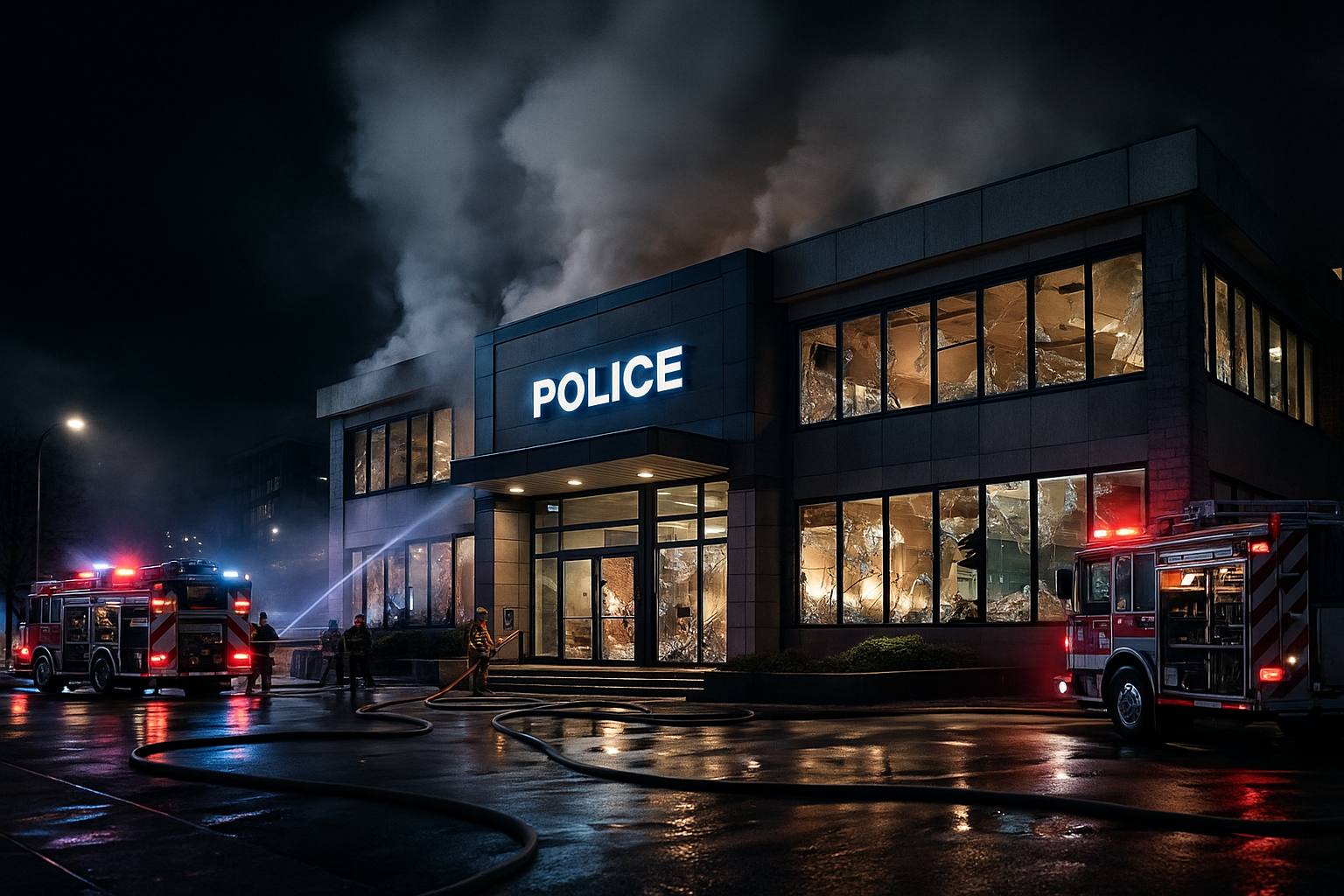
Late on November 14, 2025, a massive blast tore through the Nowgam Police Station on the outskirts of Srinagar, Jammu & Kashmir. Officials say the explosion was accidental occurring while forensic personnel and police were examining samples from a cache of explosives seized in Faridabad.
The Faridabad Terror Module Connection
The seized explosives, reportedly weighing around 360 kg, were recovered in Faridabad from a terror module linked to an investigation. ([turn0search0]) These materials, including volatile nitrates, were transported to the J&K police station for further forensic testing. The Nowgam station became the site for expert examination just days after the haul.
Key Details of the Explosion
- At least nine people died in the blast, including police photographers, forensic staff, revenue officials, an SIA member and a tailor.
- Thirty-two others were injured: 27 police, 2 revenue officials, and 3 nearby civilians.
- The explosion occurred around 11:20 PM, according to J&K DGP Nalin Prabhat.
- Successive smaller blasts hampered rescue efforts, and vehicles in the compound caught fire. Nearby homes also sustained damage, shattering windows up to 2–3 km away.
- The DGP called the explosion “accidental,” citing the unstable and sensitive nature of the explosive chemicals.
Expert / Authority Insight
J&K Police Chief Nalin Prabhat emphasized that the investigation is underway but insisted speculation about terror links is “unnecessary.” He noted that despite rigorous safety protocols, the sheer volume and volatility of the material made it inherently risky for forensic sampling.
Why This Incident Matters
- Safety & Handling Protocols: The blast underscores how dangerous it can be to handle large caches of explosives, even within secure police premises.
- Counter-Terror Implications: These were not random explosives they came from a terror module, highlighting the risks involved in dealing with terrorism-linked material.
- Public Trust: Such an accident raises serious concerns if secure handling fails in a police station, how safe is storage more broadly?
- Policy & Oversight: It may prompt a relook at how forensic and law-enforcement agencies store and process seized explosives, potentially leading to stricter safety reforms.
Investigation and Reforms
- A high-level inquiry is now underway to pinpoint exactly what went wrong during the sampling process.
- Authorities may update forensic protocols to minimize risk when dealing with large, volatile explosive caches.
- They are likely to re-evaluate how and where such explosive material is stored even in “secure” police premises.
- The outcome could influence national policy on transporting, storing, and testing seized explosives.
Conclusion
This tragic accidental explosion at the Nowgam police station is a harsh reminder of the dangers posed by unstable explosives even under strict supervision. While death and injury tolls rise, the bigger lesson lies in revisiting and upgrading safety protocols for forensic handling. In the wake of this blast, the spotlight turns to improving safeguards so such a catastrophe never repeats.