
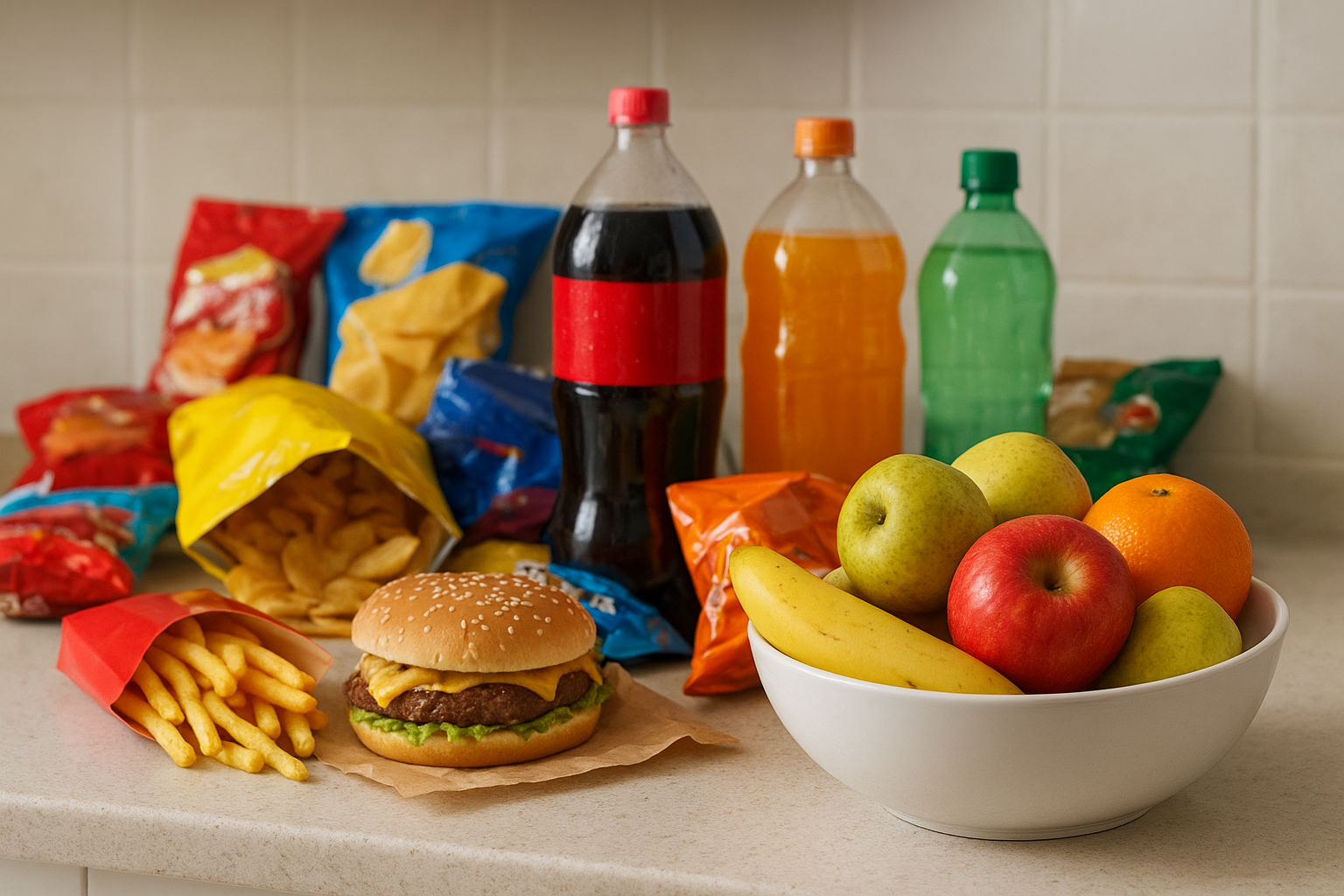
Why Ultra-Processed Foods Are Raising Alarm Bells
A recent study has reinforced concerns: ultra-processed foods (UPFs) are increasingly linked to serious health conditions such as obesity, type 2 diabetes, heart disease, and even early death. Health experts are urging people to rethink their reliance on highly processed, ready-to-eat products.
What Does “Ultra-Processed Food” Actually Mean?
Ultra-processed foods are industrially manufactured items made from substances extracted or refined from whole foods. Think sugary cereals, chestnuts of convenience like packaged snacks, baked goods, and ready meals many of which contain additives, flavourings, and high levels of sugar, fat or salt.
These foods are often low in fiber and essential nutrients while being high in “empty calories,” making them convenient but potentially harmful over time.

How UPFs Affect Your Health
According to the study:
- High consumption of ultra-processed food is tied to a greater risk of type 2 diabetes.
- These foods significantly increase the chances of cardiovascular disease, due to their salt, sugar, and unhealthy fat content.
- The research links UPF intake with obesity, inflammation, and metabolic issues.
- Alarmingly, there’s also a connection between UPFs and premature death, as well as several other chronic illnesses.
What Nutritionists Are Saying
Dr. Ritika Samaddar, a leading dietician at Max Hospital, warns that many UPF items especially ready-to-eat meals and sugary snacks are “particularly concerning” for long-term health.
According to Dr. Ajay Agarwal, a senior internal medicine specialist, the chemicals, preservatives, and high salt content in ultra-processed foods contribute significantly to elevated blood pressure, cholesterol, and metabolic stress.
Why This Study Is Important for Public Health
- Growing Health Crisis: With rapid urbanization, UPF consumption is rising sharply in India fueling epidemics of obesity and diabetes.
- Hidden Addictive Risk: Many of these foods are engineered for overconsumption taste, texture, and additives keep you coming back.
- Policy Implications: The findings could push for regulatory measures, such as labeling reforms, taxation, or restrictions on UPF marketing.
- Dietary Change: Experts are calling for a shift back to minimally processed foods whole grains, legumes, fruits, and vegetables to curb these risks.
How We Can Tackle the UPF Problem
- Public Awareness Campaigns: Educate consumers about the health risks of ultra-processed foods and encourage reading labels.
- Stricter Food Policies: Advocate for public health policies that restrict the marketing of UPFs and promote healthier options.
- Dietary Substitution: Encourage swapping UPFs for whole or minimally processed foods in everyday meals.
- Ongoing Research: Scientists call for more long-term studies to understand how industrial additives affect metabolism and chronic disease risk.
Conclusion
Ultra-processed foods may save time and satisfy cravings, but mounting evidence shows their long-term cost to health is steep. By connecting UPF consumption to obesity, diabetes, heart disease, and even premature death, recent research adds urgency to the need for healthier food choices. Reducing processed food in our diets isn’t just about eating better it could be key to staying healthy for life.