
Lifestyle Moves That Help Diabetes
A recent pilot study highlights a promising insight: yoga and walking can significantly improve blood sugar control in people with type 2 diabetes. According to EMJ Reviews, combining both practices offers the strongest metabolic benefits.
Diabetes & The Need for Sustainable Lifestyle Solutions
Type 2 diabetes is characterized by low insulin sensitivity and impaired insulin release. While medications are key, lifestyle interventions like exercise are essential to long-term metabolic health. EMJ’s study zeroes in on two highly accessible activities yoga and walking that offer both physiological and emotional benefits.
What the Study Discovered
- The study involved 20 adults with type 2 diabetes, divided into four groups: yoga-only, walking-only, both yoga + walking, and a control group.
- Over a three-month period, participants recorded improvements in:
- Fasting blood sugar (FBS) all intervention groups saw significant reductions.
- Post-prandial blood sugar (PPBS) the yoga-only group improved significantly.
- HbA1c all three intervention groups showed meaningful reductions, with the combined yoga + walking group having the greatest decline.
- Quality of life also improved: walking boosted psychological and social well-being, while yoga increased environmental well-being (sense of peace, connectedness).
How Experts Interpret These Results
Researchers emphasize that yoga and walking bring complementary benefits:
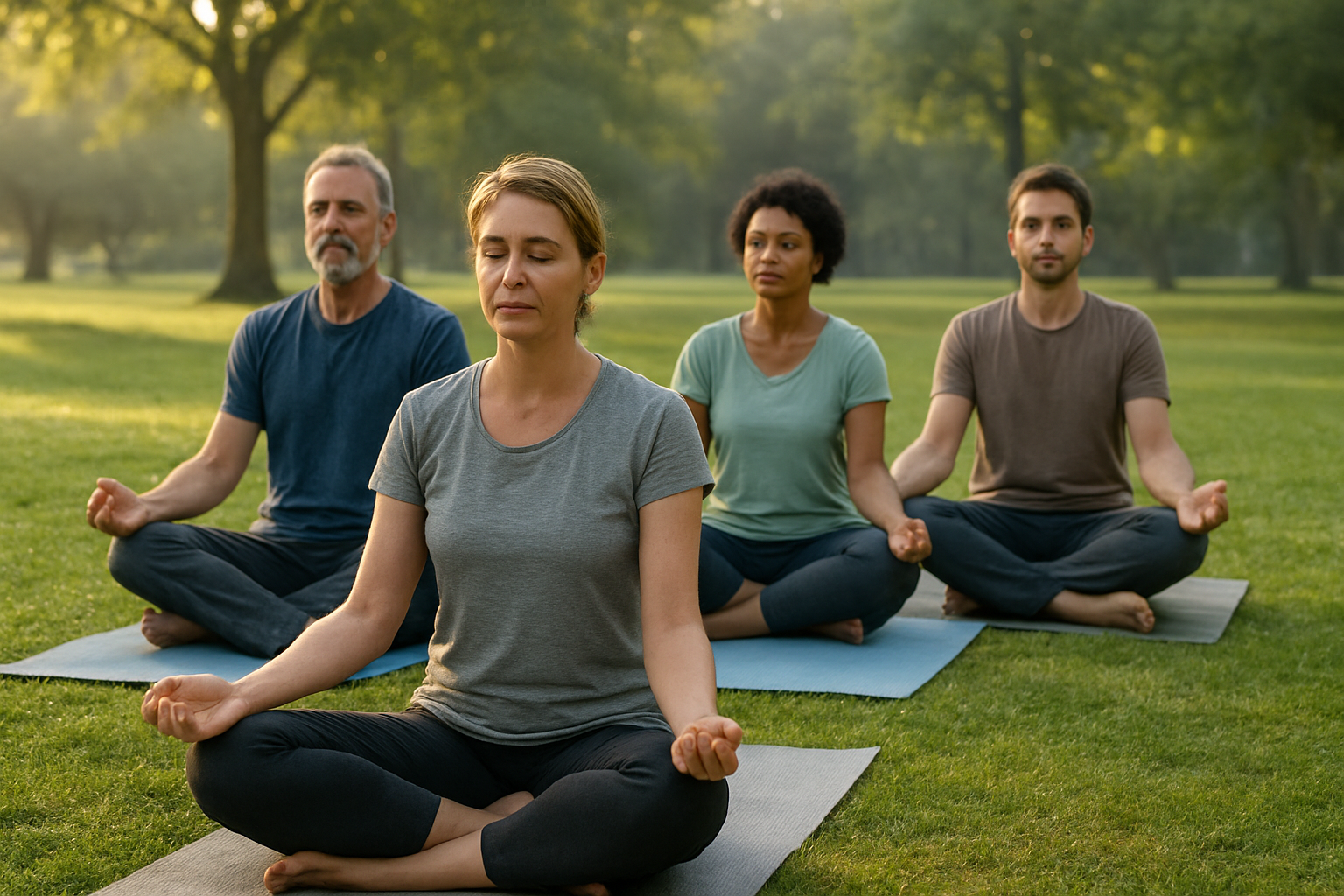
- Yoga: Integrates mindfulness, breathing, and physical poses, which help reduce stress a known contributor to poor glycemic control.
- Walking: Simple, low-impact aerobic exercise that improves muscle glucose uptake and insulin sensitivity.
EMJ reviewers note that the combined approach may be especially powerful for both metabolic and emotional health in type 2 diabetes.
Meta-analyses also back this up: a systematic review found that yoga significantly reduced fasting glucose, HbA1c, insulin, and insulin resistance more than walking in many cases.
Why This Matters for People with Type 2 Diabetes
- Accessible & Low-Cost: Unlike high-tech treatments, yoga and walking require little to no equipment, making them feasible for most people.
- Dual Benefits: Alongside better blood sugar control, these practices also support mental well-being and quality of life.
- Complement to Medication: These lifestyle practices don’t replace medication, but can enhance its effectiveness and possibly reduce the long-term need for higher doses.
- Scalable Solution: Given their simplicity, yoga and walking could be scaled in community health programs, especially in rural or low-resource settings.
What’s Next: Further Research & Implementation
- Larger Trials: Researchers call for larger, randomized studies to validate these pilot findings across more diverse populations.
- Long-term Effects: Future work should track how sustained yoga and walking over a year or more impacts diabetes complications.
- Public Health Programs: Health agencies could incorporate these findings into community-level diabetes management programs offering yoga sessions or walking clubs.
- Digital Tools: Mobile apps or wearables could be used to track and encourage consistent yoga + walking routines for people with diabetes.
Take-Home Message
This emerging research is a powerful reminder: managing type 2 diabetes doesn’t always require high-cost interventions. Simple, low-impact practices like yoga and walking can deliver strong metabolic benefits especially when combined. As the evidence grows, these lifestyle tools could become an even bigger part of everyday diabetes care.