
Why Choosing the Right Carbs Matters for Blood Sugar Control
Not all carbs are created equal especially when it comes to blood sugar. According to nutritionist Khushi Chhabra, swapping refined carbohydrates with smart carb options can reduce sugar spikes by 30%–50%. That’s a major potential benefit for anyone with diabetes or prediabetes.
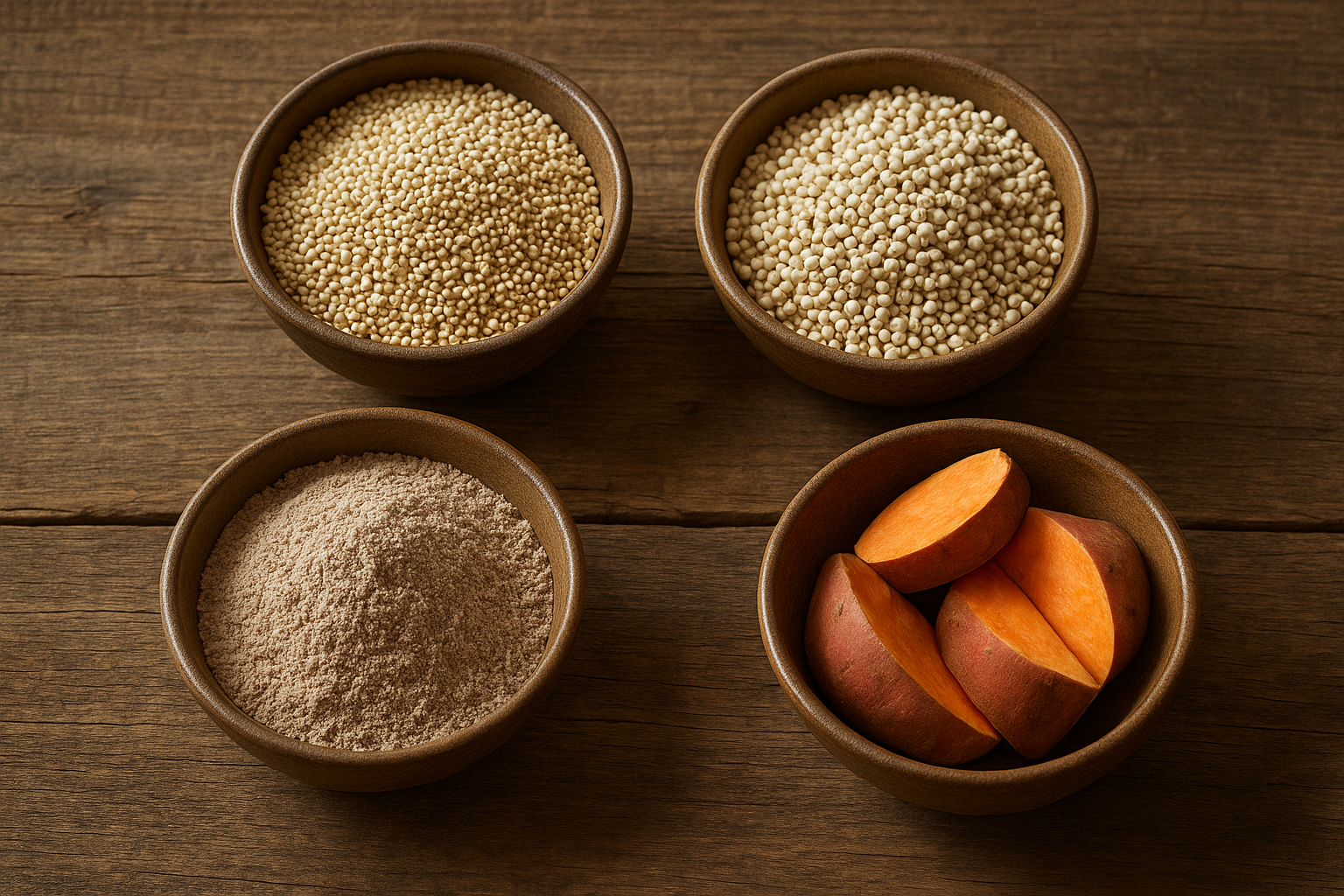
The 5 Best Carbohydrates for Stable Glucose, According to Experts
Here are the five healthy carb choices recommended by Chhabra:
- Jowar (Sorghum)
- Rich in polyphenols and resistant starch, leading to slower glucose release.
- High in fibre, which helps with satiety and better insulin sensitivity.
- Quinoa
- A complete protein, meaning it has all essential amino acids.
- Contains magnesium, which may aid insulin function, and fibre for gradual glucose absorption.
- Oats
- Loaded with beta-glucan, a soluble fibre that forms a gel in the stomach and slows digestion.
- Helps prevent sharp sugar spikes and contributes to gut health.
- Ragi (Finger Millet)
- Naturally low on glycemic load compared to regular wheat rotis.
- Gluten-free and rich in calcium and amino acids a balanced choice for carb sustenance.
- Sweet Potato
- Contains beta-carotene and anthocyanins, powerful antioxidants that help reduce inflammation.
- Has a much gentler impact on blood sugar than white potatoes or rice.
What the Nutritionist Says (Expert Insight)
Khushi Chhabra encourages consistent, small dietary tweaks. Rather than eliminating carbs, she advises diabetics to switch their base carb to these complex options.
“Make these small tweaks in your diet to see a big, big difference,” she writes, noting that such changes help reduce cravings, stabilise insulin, and maintain steady energy levels.
Chhabra emphasizes that these carbohydrate swaps are not about deprivation they’re about choosing quality, nourishing carbs that support long-term metabolic health.
Why This Advice Is Crucial for Diabetes Management
- Better Blood Glucose Regulation: These carb options are slower to digest, helping prevent rapid sugar spikes.
- Insulin Sensitivity: Many of these foods support better insulin response, reducing insulin resistance.
- Sustainable Eating: Instead of cutting carbs entirely, this is about smarter carb substitution more realistic and sustainable for long-term health.
- Improved Satiety: High-fibre carbs like jowar, oats, and quinoa keep you fuller for longer, lowering the chance of overeating.
What’s Next: How to Apply This Advice
- Start Small: Try swapping out just one carb at a time for example, replace white rice with quinoa or jowar rotis.
- Meal Planning: Incorporate these recommended carbs into breakfast, lunch, or dinner, and pair with protein or healthy fats for a balanced plate.
- Monitor Effects: Use a glucometer (if you have one) to check how your blood sugar responds to the new carbs.
- Consult a Dietitian: Especially helpful if you’re on diabetes medication they can help you fine-tune portions.
Final Thoughts
Managing diabetes isn’t about avoiding carbohydrates altogether it’s about making better carb choices. By swapping in jowar, quinoa, oats, ragi, and sweet potato, you can stabilise your insulin response, reduce sugar spikes, and enjoy sustainable, satisfying energy. As Khushi Chhabra puts it, “small tweaks” to your carb source can make a big difference to your long-term metabolic health.