What’s the Big Update?
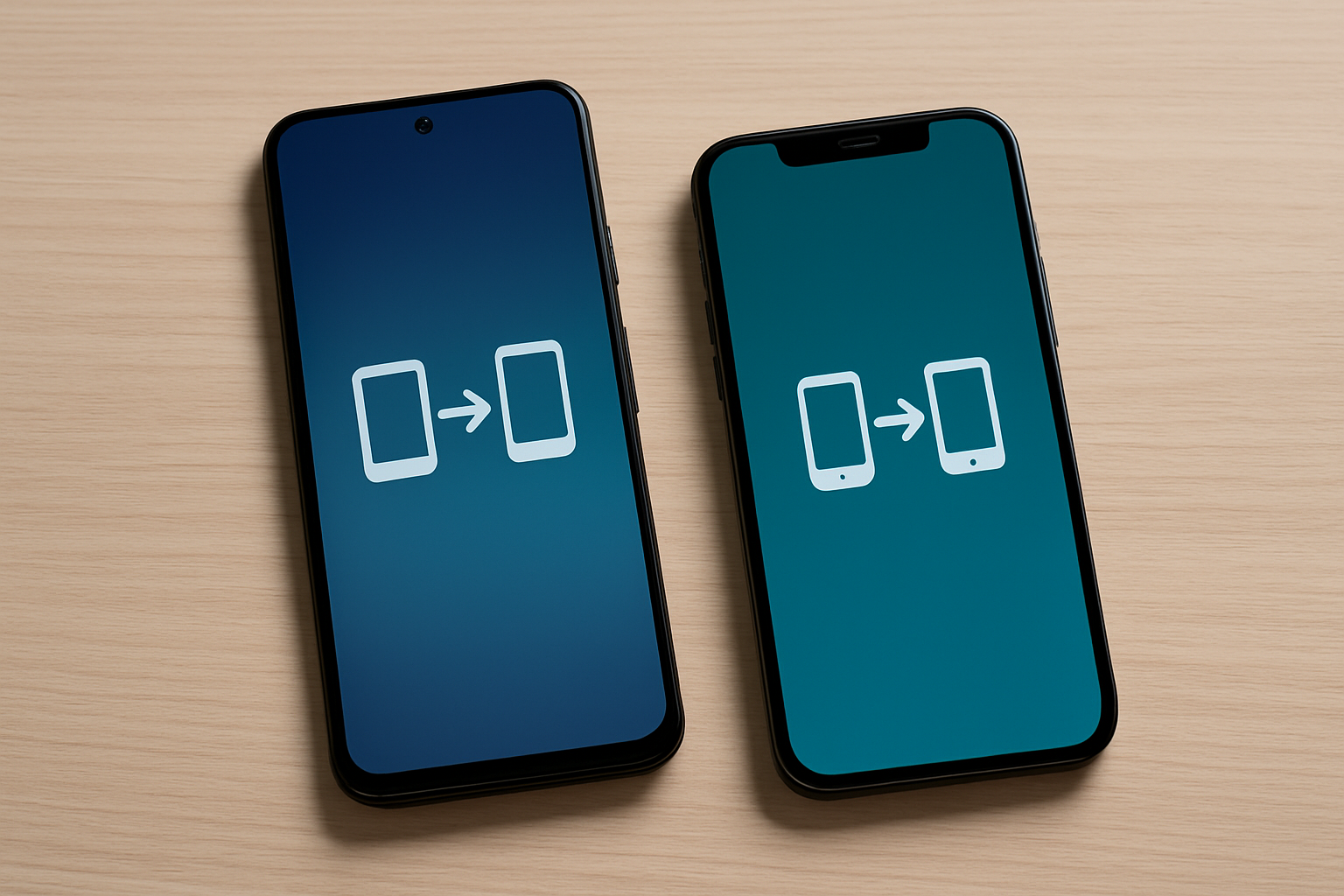
Google has enabled Quick Share on Android to work directly with AirDrop on iPhones, bringing seamless file transfers between Android and iOS for the first time. This update is rolling out to Pixel 10 devices first.
Why This Matters: A Brief Context
Historically, Android and iOS users have struggled to share files natively due to incompatible wireless sharing protocols. Android’s Quick Share and Apple’s AirDrop served similar purposes but only worked within their own ecosystems.
By bridging this gap, Google is making it easier for families, friends, and coworkers who use mixed devices to share files without third-party apps.
Key Features & Mechanics
- Device Compatibility: Currently limited to the Pixel 10, Pixel 10 Pro, Pixel 10 Pro XL, and Pixel 10 Pro Fold.
- Visibility Requirement: The iPhone (or iPad/Mac) must have AirDrop set to “Everyone for 10 Minutes” so it becomes discoverable to the Pixel.
- Direct Peer-to-Peer Sharing: Files are transferred over Wi-Fi directly, without routing through any server.
- Security Focused: Google built the implementation in Rust, a memory-safe language, and has subjected it to third-party penetration testing.
- Two-Way Support: It’s not just Pixel to iPhone also iPhone users can send files back to Pixel 10 devices too (if visibility settings are correct).
Insight & Industry Perspective
According to Google, this isn’t a workaround they’ve built full interoperability with security as a priority. Independent security experts from NetSPI verified the feature, confirming that it does not log shared content and preserves peer-to-peer privacy.
Tech analysts view this as a major step for cross-platform compatibility, especially in mixed-device environments where file sharing has historically been a pain point.
Why This Development Is Important
- User Convenience: Finally, Android and iOS users can share files directly, without relying on third-party apps or cloud uploads.
- Streamlined Sharing: Whether it’s photos, documents, or videos sharing becomes as simple as it is within the same ecosystem.
- Improved Privacy: Because the transfer is peer-to-peer and secure, users don’t worry about sensitive data going through servers.
- Future Potential: This lays the groundwork for broader cross-platform compatibility, possibly beyond just Pixel devices.
What’s Next: Rollout & Expansion
- Broader Device Support: Google says it plans to bring this Quick Share AirDrop compatibility to more Android devices in the future.
- More Modes: Eventually, Google hopes to support AirDrop’s “Contacts Only” mode, which would make sharing more private.
- User Adoption: As users start using this feature, widespread feedback could help improve UX and performance across platforms.
Final Thoughts
This update is a significant win for interoperability. For the first time, Android (at least on Pixel 10) and iOS users can share files natively securely and quickly. It’s a smart step by Google, breaking down barriers between ecosystems and making device choice a little less restrictive.