
Why There’s Alarm Around Ultra-Processed Foods
A landmark series of papers in The Lancet is raising red flags: ultra-processed foods (UPFs) are reshaping global diets and fueling a surge in chronic disease. Public health experts are now calling for urgent government action to combat this growing threat.
What Are Ultra-Processed Foods And Why Are They Dangerous?
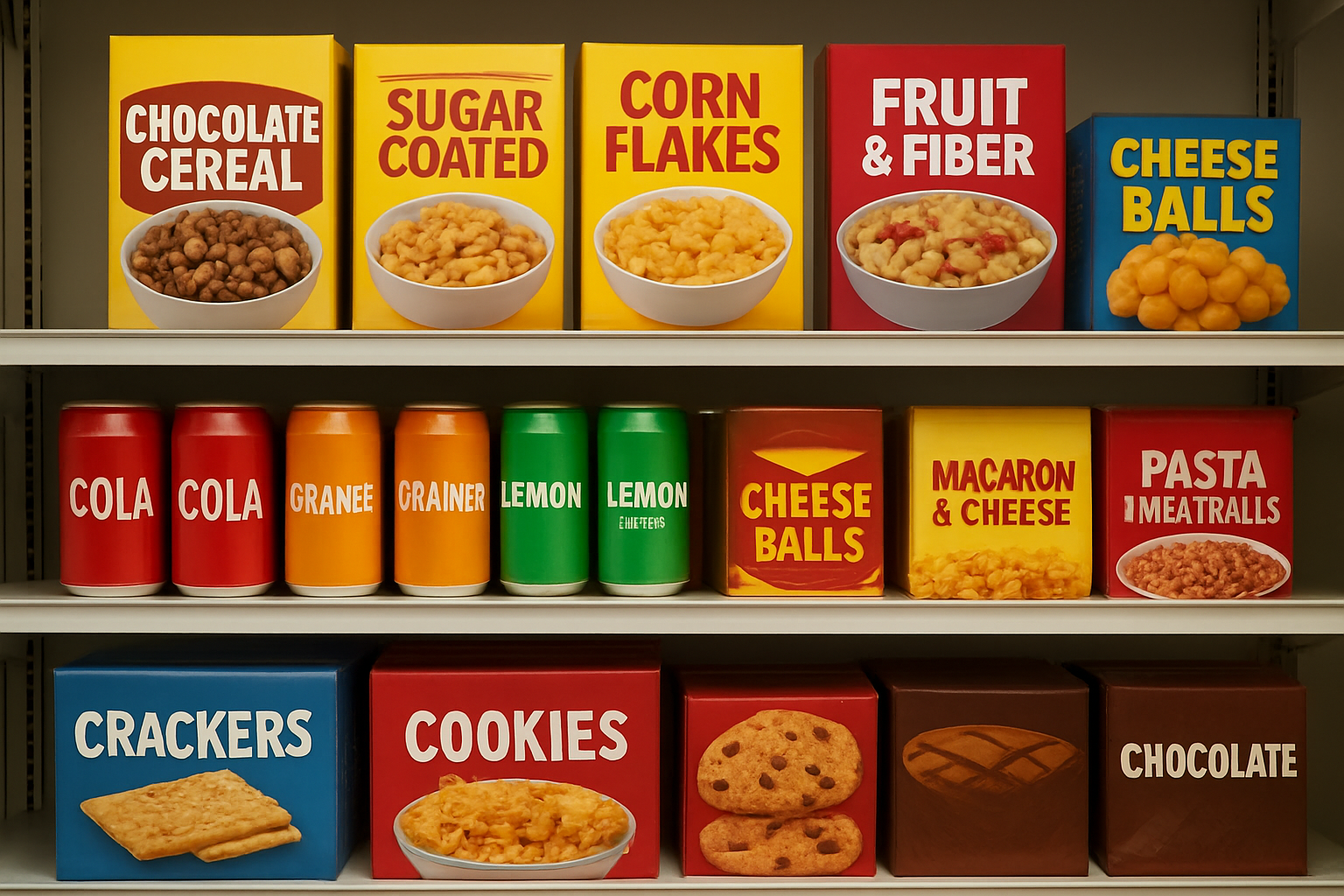
Ultra-processed foods include items like sugary soft drinks, instant noodles, packaged snacks, and ready-to-eat meals. These products are industrially formulated, often high in sugar, salt, unhealthy fats, and food additives while offering little to no whole, nutritious ingredients.
A team of 43 global researchers contributing to the Lancet series warns that rising UPF consumption is displacing traditional, healthier diets worldwide.
Key Takeaways from the Lancet Series
- Health Risks Linked to UPFs: The first paper in the series draws on long-term studies showing strong associations between high UPF intake and chronic conditions including obesity, type-2 diabetes, cardiovascular disease, depression, and even premature death.
- Policy Recommendations: Experts call for a package of government interventions:
- Warning labels on UPFs
- Restrictions on marketing, especially to children
- Removing UPFs from schools, hospitals, and workplaces
- Taxes on ultra-processed items
- Corporate Influence: The series also points out how large food corporations drive global UPF consumption through aggressive marketing and influence on food policy.
What Experts Are Saying
Dr. Phillip Baker, co-lead author of the series, highlights the scale of the issue: UPF annual sales exceed $1.9 trillion, signaling how much of the world’s food is now ultra-processed.
Dr. Priscila Machado from Deakin University adds that the evidence is clear ultra-processed diets are replacing wholesome meals and “harming health globally.”
Dr. Vimal Pahuja, MD from Mumbai, underscores how this is particularly dangerous in India: due to genetic susceptibility, metabolic dysfunction from such diets hits harder and earlier.
Why This Matters for You And for Policy Makers
- Health Impact: Elevated consumption of UPFs is strongly linked with diabetes, obesity, cardiovascular disease, and mental health disorders.
- Global Risk: Because UPF sales are skyrocketing in both developed and developing nations, the risk is not limited to wealthier countries.
- Call to Action: The authors insist that relying solely on personal choice is not enough. They argue that strong policy measures are essential to protect public health.
What’s Next: The Way Forward
- Regulatory Measures: Many experts want governments to introduce front-of-pack warning labels, ban aggressive UPF marketing, and impose UPF taxes.
- Stronger Governance: There’s pressure to roll back the influence of large food corporations over food systems and regulation.
- Public Health Campaigns: Raising consumer awareness about the health risks of UPFs could drive demand for better, less-processed food options.
- Re-engineer Food Environments: Schools, hospitals, and workplaces should reduce UPF offerings and encourage fresh and minimally processed foods.
Final Thoughts
The Lancet’s global warning on ultra-processed foods isn’t just another health scare it’s a serious call to action. With UPFs linked to an array of chronic diseases and governments urged to step in, the time to rethink our food systems has never been more urgent.