What’s Going On: Smelter Running Far Below Capacity
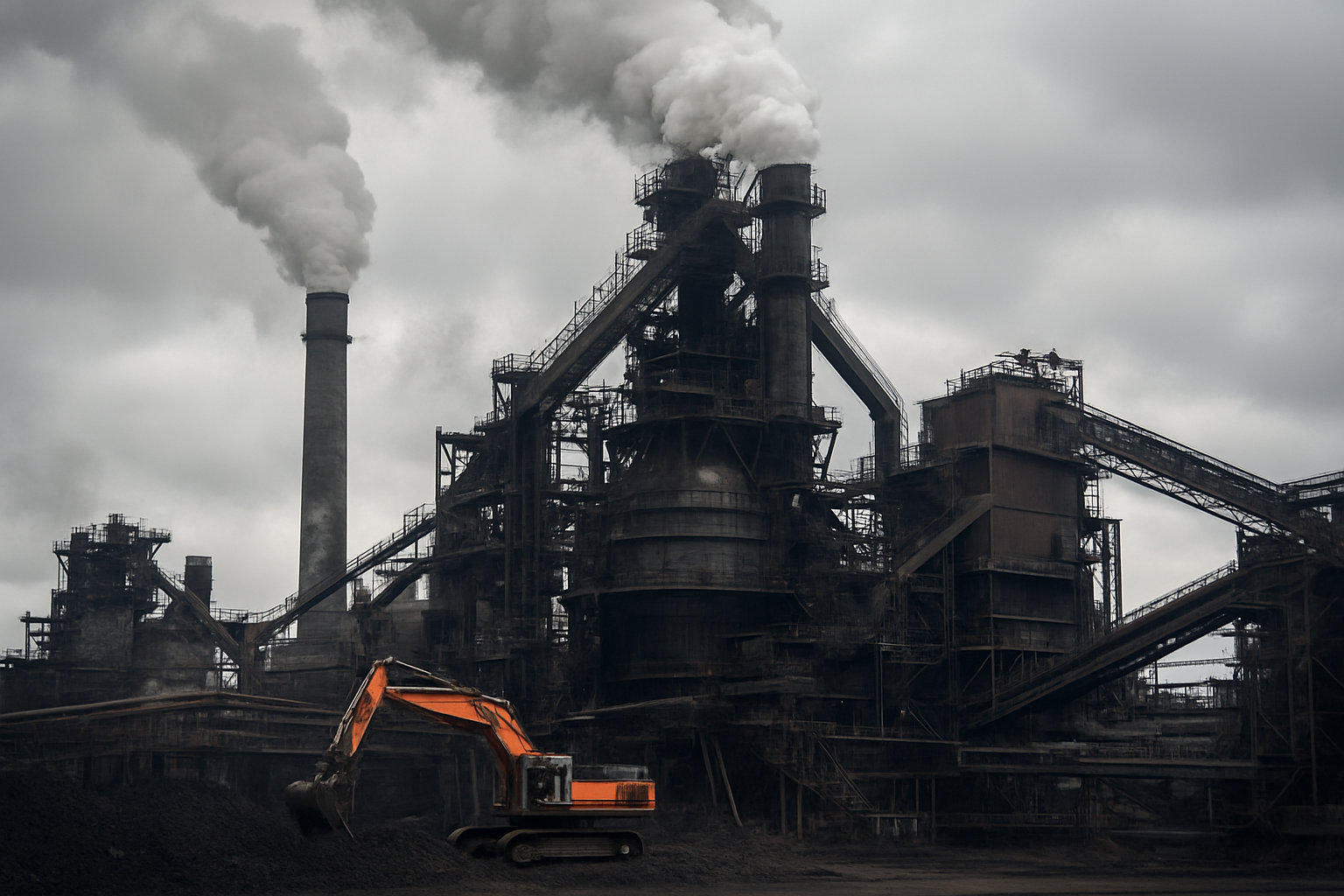
Adani’s ambitious $1.2 billion copper smelter in Gujarat operated by Kutch Copper Ltd has hit a major roadblock. The plant, designed to produce 500,000 tons per year, is receiving less than one-tenth of the copper concentrate it needs to run at full capacity.
Historical & Industry Context
Kutch Copper began processing metal a few months ago but has struggled to scale. Globally, copper ore supply is tightening due to a mix of mine disruptions and surging smelting capacity, particularly in China. Meanwhile, treatment and refining charges (TC/RCs) fees paid to process copper concentrate have dropped to record lows, showing how desperate smelters are to lock in raw material.
Key Challenges & Current Impact
- Low Import Volumes: In the first ten months to October, Kutch Copper imported only 147,000 tons of concentrate, far below the 1.6 million tons required for full-scale operations.
- Tight Margins: Because of global material stress, smelters are accepting poor TC/RC rates just to secure supply.
- Higher Costs: With limited ore, the smelter may face higher operating costs and slower ramp-up.
- Risk of Losses: Bloomberg Intelligence analyst Grant Sporre notes that while Adani’s newer smelter should be more efficient, it could run at a loss in the short term due to constrained input.
Expert Insight
Grant Sporre from Bloomberg Intelligence warned that Adani’s facility may not break even in the near term, given its high input requirements and tight supply. Kotak Securities also highlights that mine disruptions from major producers globally are compressing the entire sector’s ability to secure concentrate. Outlook Business adds that declining ore grades and limited new mining projects could stress global copper supply for years.
Why This Matters
- Strategic Risk: The shortage underscores just how exposed new smelters are to global ore markets even well-funded ones like Adani.
- India’s Self-Reliance Threatened: Adani’s smelter was supposed to help reduce India’s dependence on imported refined copper. But if capacity stays low, that goal could be delayed.
- Global Supply Pressure: With demand for copper likely to surge (thanks to EVs, electronics, and clean energy), the tight supply situation could drive higher costs and volatility.
Key Developments to Watch
- Sourcing Moves: Kutch Copper may need to secure more concentrate from international suppliers to ramp up.
- Tariff Policies: India might impose higher import duties or explore protective policies to stabilize its domestic copper industry.
- Smelter Scale-Up: Adani plans to double capacity to million tons within the next few years but that depends on securing adequate feedstock.
- Long-Term Investment: Continued funding, either for new mines or partnerships with global miners, will be critical for the smelter’s future.
Conclusion
Adani’s high-stakes bet on copper smelting the $1.2 billion Kutch Copper plant is under severe stress due to a global ore shortage. While the long-term vision of making India more self-reliant on refined copper remains intact, the current supply squeeze threatens near-term operations. For Adani and India’s metals ambitions, securing consistent raw material supply will be essential to turning this smelter into a strategic success.