
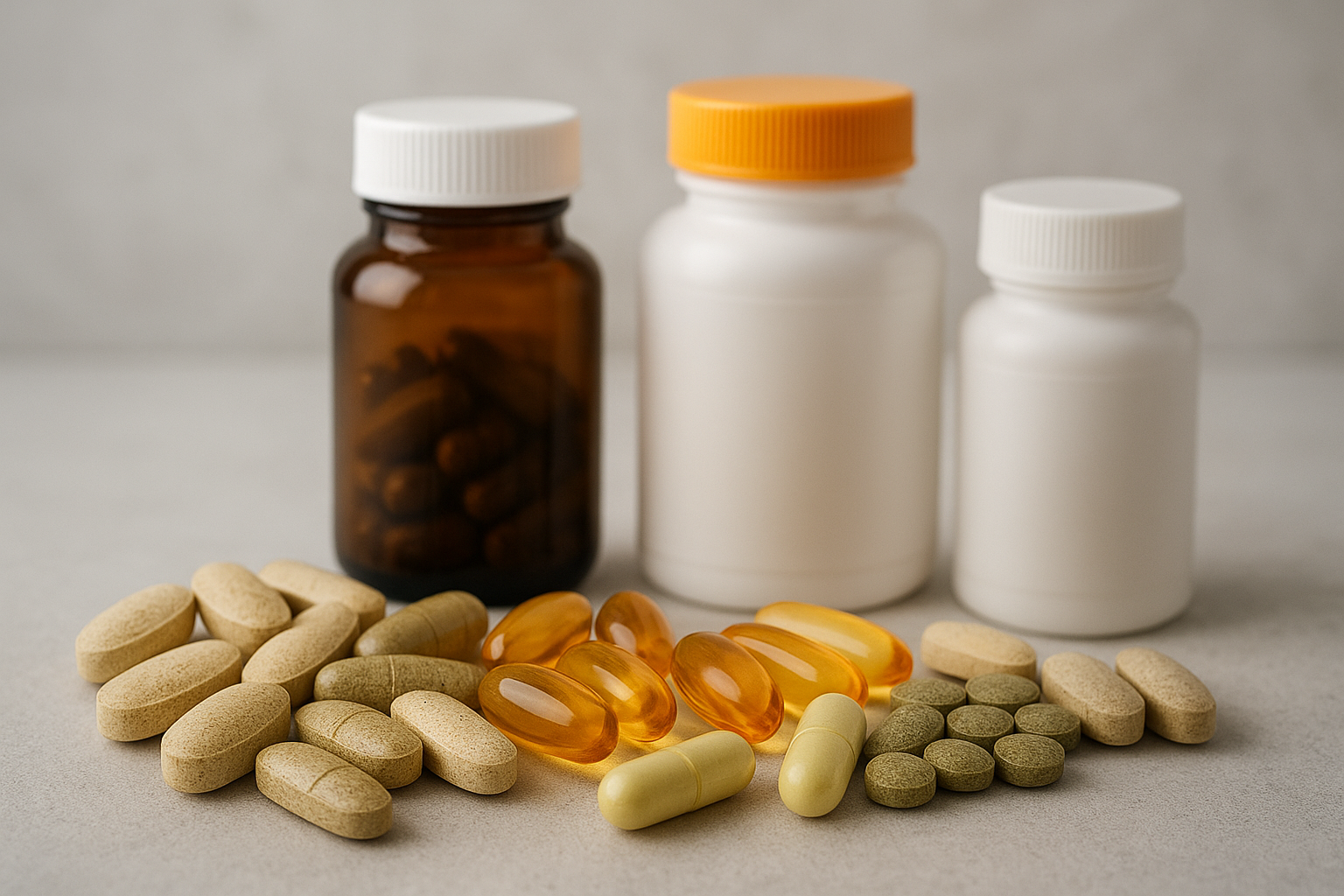
A Popular Herb With a Cautionary Note
Ashwagandha long praised in Ayurveda and modern wellness circles for stress relief, sleep improvement and vitality isn’t a one-size-fits-all remedy. A new report says that while many benefit from its use, it may pose health risks for some people. Understanding who should avoid it and why is crucial.
Where Ashwagandha Comes From: Tradition Meets Modern Use
Ashwagandha (Withania somnifera), often called “Indian ginseng,” has been used for centuries as an adaptogenic herb. It gained renewed popularity in global wellness trends thanks to studies suggesting it helps lower cortisol (stress hormone), ease anxiety, improve sleep, and boost overall energy.
Yet, as its use spread beyond traditional contexts into daily supplement routines, questions about safety and suitability for all began to surface.
What the Latest Report Highlights
According to a recent article, Ashwagandha does offer real benefits but also carries potential health risks that are being increasingly documented.
✅ Reported Benefits
- Reduces stress and anxiety by helping lower cortisol levels.
- Helps improve sleep quality and supports overall “vitality” or sense of well-being.
- Can enhance resilience against daily stress, which appeals to people with busy or high-pressure lifestyles.
⚠️ Potential Risks and Side Effects
- There have been reported cases of liver damage (hepatotoxicity) linked to Ashwagandha use.
- It may disrupt endocrine or hormonal balance affecting thyroid function in some individuals.
- Other side effects include stomach upset, diarrhoea or nausea, especially at higher doses or prolonged use.
- There’s risk of interaction with medications especially for those with thyroid issues, blood pressure conditions, diabetes, or on immunosuppressants.
Because of these risks, experts stress that Ashwagandha isn’t suitable for everyone and must be taken with caution.
What Health Experts Are Saying: Use With Care and Personalization
Medical and integrative-health specialists emphasize that Ashwagandha’s effects vary greatly depending on an individual’s health profile. According to one commentary, while the herb shows promise in stress reduction, its impact depends on a person’s medical history, dosage, and overall lifestyle.
In short: “Natural” doesn’t guarantee “harmless.” Herbs like Ashwagandha should be treated with the same seriousness as any medicine dosage matters, and what works for one might be risky for another.
Knowing Risks Can Save Health
This clarity around Ashwagandha is important for several reasons:
- Avoids unexpected harm people with pre-existing liver, thyroid or hormonal conditions can steer clear and prevent adverse effects.
- Encourages informed use helps consumers think critically before following wellness trends blindly.
- Improves public health guidance wellness supplements need cautious messaging, especially when used broadly.
- Protects vulnerable groups pregnant or breastfeeding women, those on multiple medications, or with chronic diseases benefit from awareness before self-medicating.
In a world flooded with quick-fix wellness trends, sober, balanced information like this helps people make safer health choices.
Need for Careful Use and More Research
Health professionals recommend:
- Using Ashwagandha only after consulting a doctor especially if you have underlying conditions or take other medications.
- Limiting duration and dosage, rather than assuming more equals better.
- Monitoring for side effects like digestive discomfort, unusual fatigue, or signs of liver strain (e.g. jaundice, dark urine).
- Conducting more long-term, large-scale studies to fully understand its safety and appropriate use guidelines across diverse populations.
Until then, moderation and medical supervision remain the best approach.
Ashwagandha Is Powerful But Not a Universal Fitness Pill
Ashwagandha continues to offer real benefits for many stress relief, improved sleep, and a natural wellness boost. But it also carries non-trivial risks, especially for people with certain health conditions or those taking medications. If you choose to use it, treat it with respect: stay informed, start small, consult a professional, and pay attention to your body’s signals. Balanced, cautious use not blind enthusiasm is the smart way forward.