
New medical guidance highlights smarter ways to treat gout flare-ups and prevent long-term joint damage
Gout, a painful form of inflammatory arthritis, is increasingly being managed with more effective treatment strategies, according to recent medical insights. Experts say early action, lifestyle adjustments, and proper medication can dramatically reduce pain and speed up recovery.
Understanding Gout: Why the Pain Hits So Suddenly
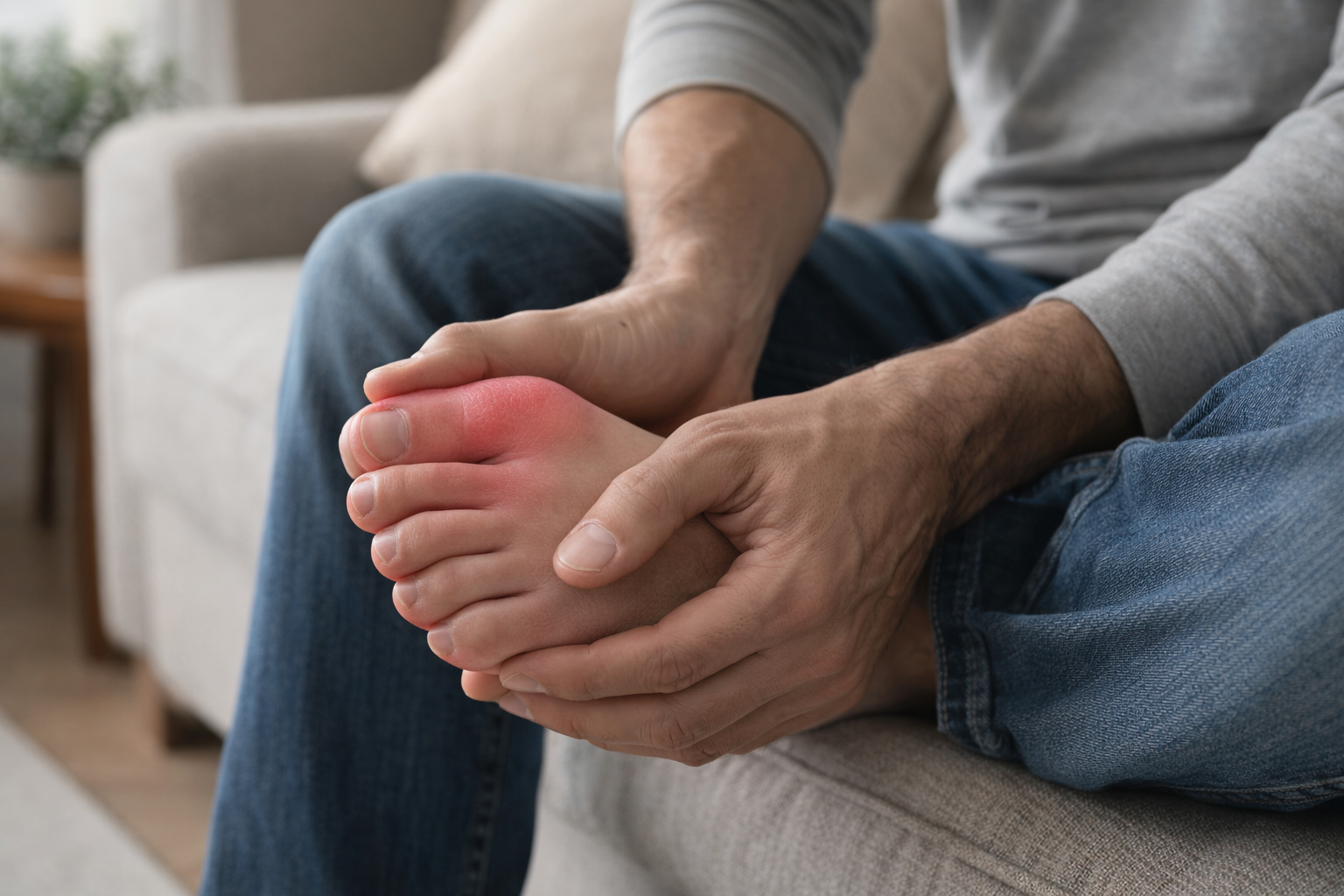
Gout occurs when uric acid builds up in the blood and forms sharp crystals in the joints, most commonly affecting the big toe, ankle, or knee. These crystal deposits trigger intense inflammation, leading to sudden pain, swelling, redness, and stiffness often striking at night without warning.
While gout has long been associated with diet and lifestyle, doctors now emphasize that genetics and kidney function also play a major role.
What Helps Reduce Gout Pain Faster
Medical experts stress that prompt treatment during a gout flare makes a significant difference. Waiting too long can prolong pain and increase the risk of joint damage.
Commonly recommended treatment approaches include:
- Anti-inflammatory medications to calm swelling
- Short-term pain relief drugs during acute flare-ups
- Long-term uric acid–lowering medicines for prevention
- Ice therapy and joint elevation to reduce discomfort
Equally important is avoiding triggers such as alcohol, sugary drinks, and purine-rich foods during recovery.
A Shift Toward Long-Term Gout Control
Health specialists now view gout as a chronic condition rather than an occasional problem. According to rheumatologists, consistent management not just flare treatment is the key to preventing repeat attacks.
Experts emphasize that patients often stop medication once pain fades, which can lead to stronger and more frequent flare-ups later. Continuous treatment helps dissolve uric acid crystals over time, reducing the likelihood of future attacks.
Gout Is More Than Just Joint Pain
Untreated or poorly managed gout can lead to permanent joint damage, kidney stones, and reduced mobility. Frequent flare-ups can interfere with daily activities, work productivity, and overall quality of life.
With cases rising globally especially among middle-aged adults early diagnosis and proper treatment have become increasingly important for long-term health.
Smarter Recovery and Prevention
Doctors now recommend personalized gout management plans that combine medication, diet changes, hydration, and regular monitoring of uric acid levels. Weight management and limiting alcohol intake are also critical preventive steps.
Ongoing research is focused on improving patient adherence to treatment and developing therapies with fewer side effects.
Gout Can Be Controlled With the Right Approach
Gout may be painful, but it is also highly manageable. With timely treatment, long-term medication, and lifestyle adjustments, most people can recover faster and prevent future flare-ups without letting gout control their lives.