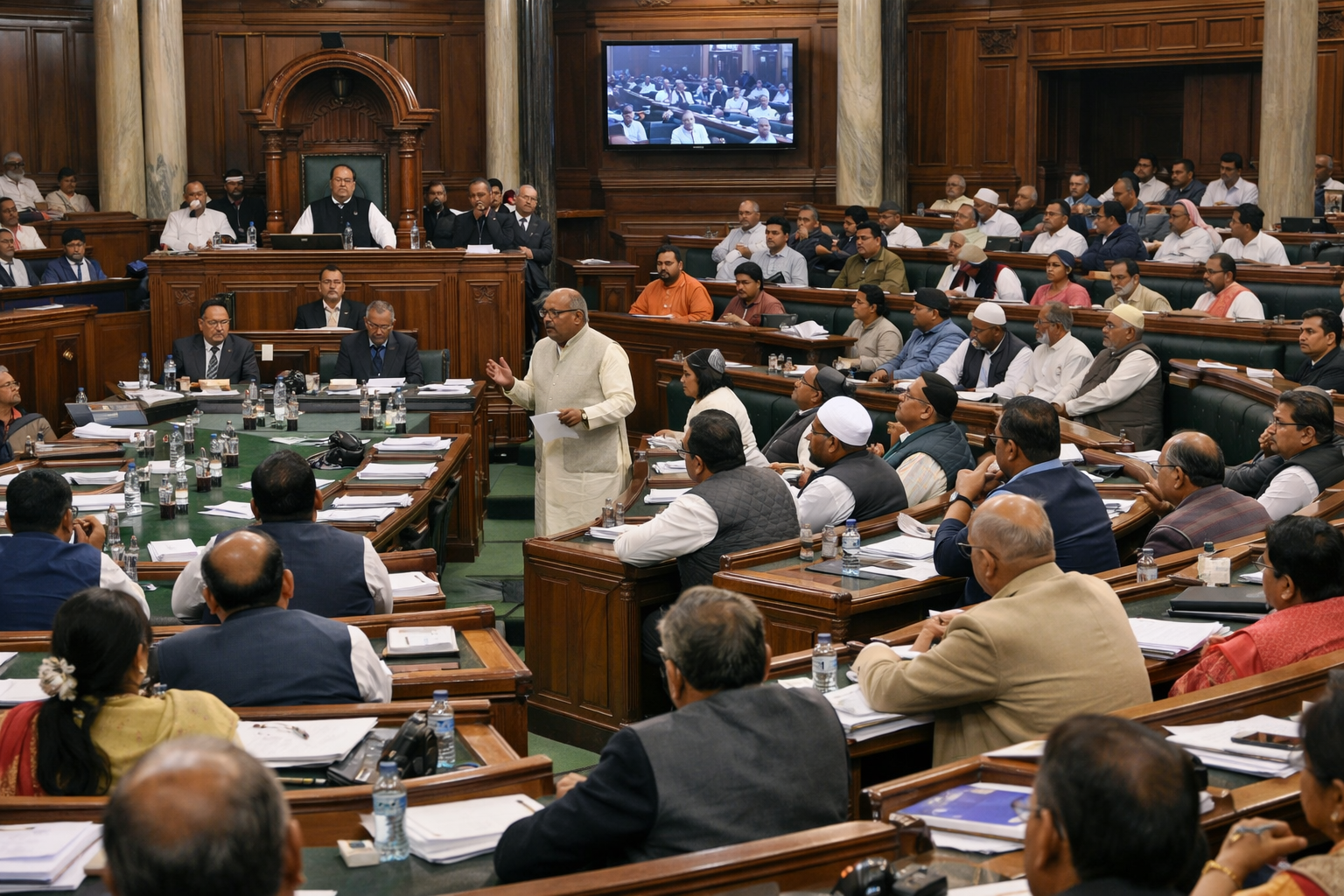
Andhra Pradesh minister urges a return to principled leadership amid rising political polarisation
Drawing inspiration from former Prime Minister Atal Bihari Vajpayee, Andhra Pradesh IT and Industries Minister Nara Lokesh has called for a renewed emphasis on values, dignity, and ethical conduct in politics. His remarks come at a time when political discourse across the country is increasingly confrontational.
Vajpayee’s legacy of values-based politics
Atal Bihari Vajpayee remains one of India’s most respected political figures, admired across party lines for his restraint, eloquence, and commitment to democratic values. Even during sharp ideological battles, Vajpayee was known for maintaining civility and respecting opponents.
For many younger leaders, Vajpayee represents a style of politics that balanced conviction with compassion. Lokesh’s reference to the former Prime Minister reflects a growing nostalgia for an era when debate did not automatically descend into bitterness.
What Lokesh said and why it matters
Speaking at a public event in Andhra Pradesh, Lokesh stressed that politics should be rooted in service, integrity, and respect for institutions, rather than personal attacks or short-term gains.
He underlined the need for leaders to:
- Put public welfare above political rivalry
- Maintain dignity in political language and behaviour
- Focus on long-term development instead of constant confrontation
- Uphold democratic values even during disagreements
Lokesh suggested that Vajpayee’s approach offers a blueprint for today’s leaders, especially at a time when trust in politics is under strain.
Why leaders invoke Vajpayee today
Political analysts note that Vajpayee’s name carries moral authority that transcends party loyalties. Invoking his legacy is often seen as an appeal to moderation and ethical leadership rather than ideology alone.
Experts say Lokesh’s comments also signal an attempt to position himself as a leader focused on governance rather than noise-driven politics. In an era dominated by social media outrage, calls for restraint stand out precisely because they are rare.
Such messaging may resonate with voters fatigued by constant political conflict and looking for stability and seriousness in leadership.
The larger message for Indian democracy
The emphasis on values-based politics goes beyond individual leaders. As elections approach in multiple states, the tone set by political figures influences public discourse at every level.
When leaders promote decency and respect, it can help lower political temperatures and encourage constructive debate. On the other hand, persistent negativity risks deepening social divides and weakening democratic institutions.
Lokesh’s remarks highlight a broader concern: that politics should remain a tool for public service, not a battlefield for personal or ideological vendettas.
Will values shape future political narratives?
Whether such appeals translate into action remains to be seen. Political observers will be watching if Lokesh and his party reflect these principles consistently, both in governance and campaigning.
There is also growing interest in whether more leaders across parties will echo similar sentiments, especially as public demand for accountability and ethical conduct grows louder.
A reminder worth repeating
By invoking Atal Bihari Vajpayee, Lokesh has tapped into a powerful reminder of what politics can aspire to be. In a climate often defined by sharp divisions, his call for values and dignity serves as a timely nudge toward more responsible leadership—one that prioritises the nation over noise.