
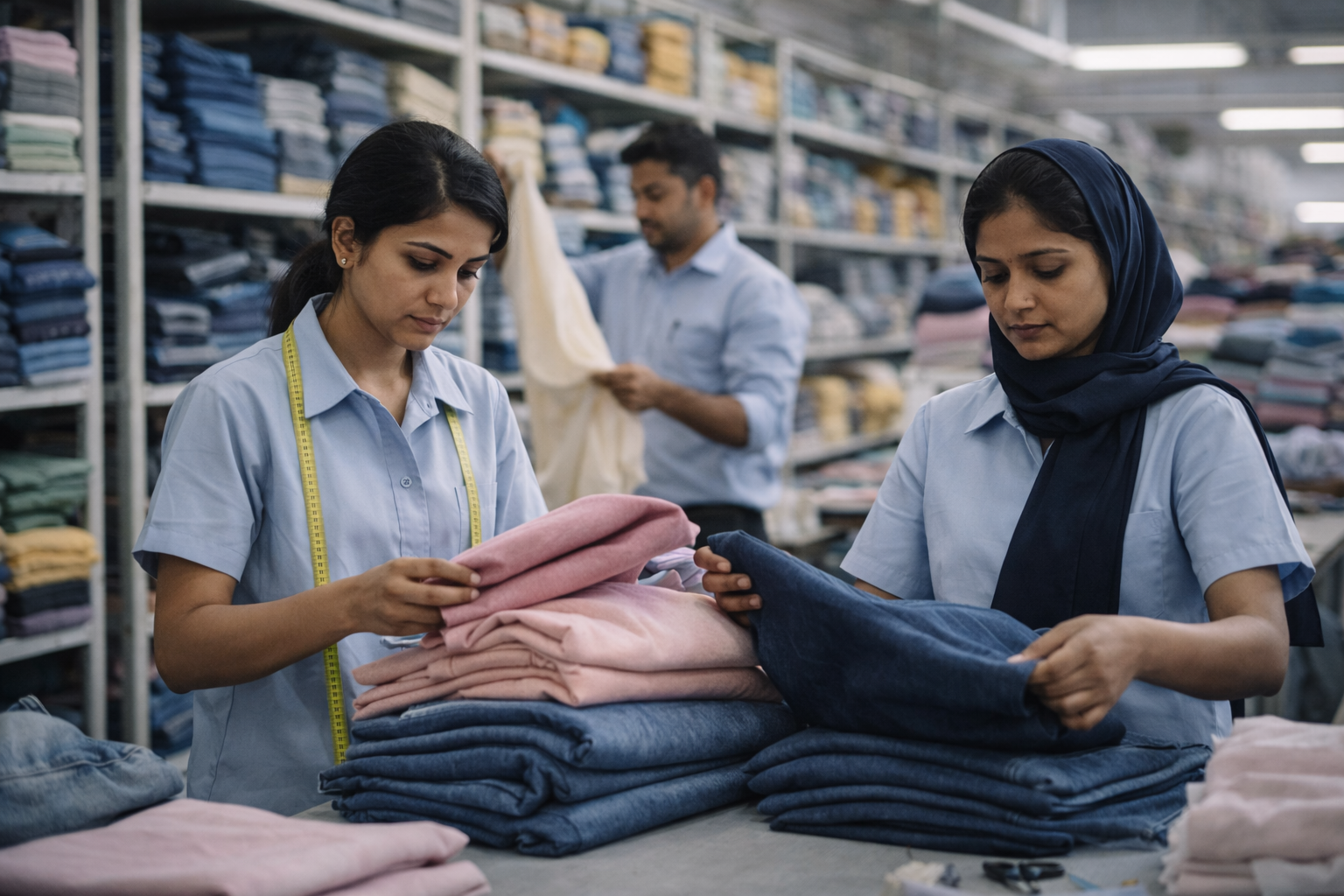
Rising financial uncertainty puts fashion supply networks on edge
Fear of a potential US debt default is casting a long shadow over global markets, and the fashion industry is no exception. Manufacturers, suppliers, and retailers are now bracing for possible disruptions to supply chains that could ripple from raw materials to finished garments.
Why US debt concerns matter globally
The United States has the world’s largest economy and its financial health influences markets everywhere. When lawmakers appear unable to agree on raising the debt ceiling, it raises the prospect of a default a scenario in which the US could fail to meet its financial obligations. That outcome would shake investor confidence, tighten credit markets, and send shockwaves across global commerce.
Fashion supply chains, already strained from pandemic aftershocks and geopolitical tensions, could face renewed stress if credit becomes more expensive or financial flows slow down.
How default fears are affecting fashion supply chains
Industry analysts and trade experts say the fear of a US default is creating a climate of uncertainty that directly impacts fashion companies at every level.
Here’s how the risk is playing out:
- Manufacturing hubs are postponing orders Suppliers in Asia and Africa are delaying new contracts until financial conditions stabilise.
- Cost of trade finance rises Exporters who rely on letters of credit and other financial instruments are facing higher premiums.
- Inventory decisions grow cautious Retailers are scaling back orders amid fears of weakening consumer demand.
- Currency volatility increases production costs Fluctuating exchange rates make it costlier to plan long-term sourcing.
These pressures are compounding existing issues like rising energy costs and labour shortages. For fashion brands that operate on thin margins, even a slight disruption in financing or logistics can lead to delays or higher prices.
What analysts are warning about
Economists who monitor global trade emphasise that fashion’s complex value chain makes it particularly sensitive to financial instability.
One industry observer explained that “the fashion supply chain is highly interconnected, and any tightening of global credit or erosion of demand even in one major market like the US can reduce orders, slow payments, and constrain production.”
Experts also warn that if consumer confidence drops due to economic worries, discretionary spending on apparel could decrease, adding further strain on manufacturers and brands.
The broader impact on markets and jobs
The fashion industry supports millions of jobs worldwide, from textile workers in South Asia to designers and retail staff in Europe and North America. Disruptions in supply could hit:
- Garment workers reliant on consistent contracts
- Small-scale suppliers lacking financial buffers
- Fashion hubs dependent on predictable trade finance
- Retailers with tight seasonal production schedules
Even short delays or credit squeezes can hurt employment, consumer choice, and profitability across the sector.
Navigating uncertainty and building resilience
Industry leaders are urging fashion companies to diversify their supply bases, strengthen cash reserves, and explore alternative financing options.
Some strategies being considered include:
- Localising parts of the supply chain to reduce dependency on distant markets
- Negotiating flexible payment terms with suppliers
- Exploring tech-driven forecasting tools to optimise inventory
- Building strategic reserves to mitigate short-term financial shocks
Global fashion associations are also calling for coordinated policy action to support trade finance and maintain open channels for cross-border commerce.
Default fears underscore systemic fragility
The spectre of a US debt default is more than a political headline it’s a real economic stress test for global industries, including fashion. With supply chains already buffeted by past crises, the current uncertainty highlights the need for more resilient planning and adaptable business models.
As financial risks evolve, the fashion world must act quickly to safeguard production networks, protect livelihoods, and ensure that creative expression continues to reach consumers without interruption.