A New Political Force Emerges Worldwide
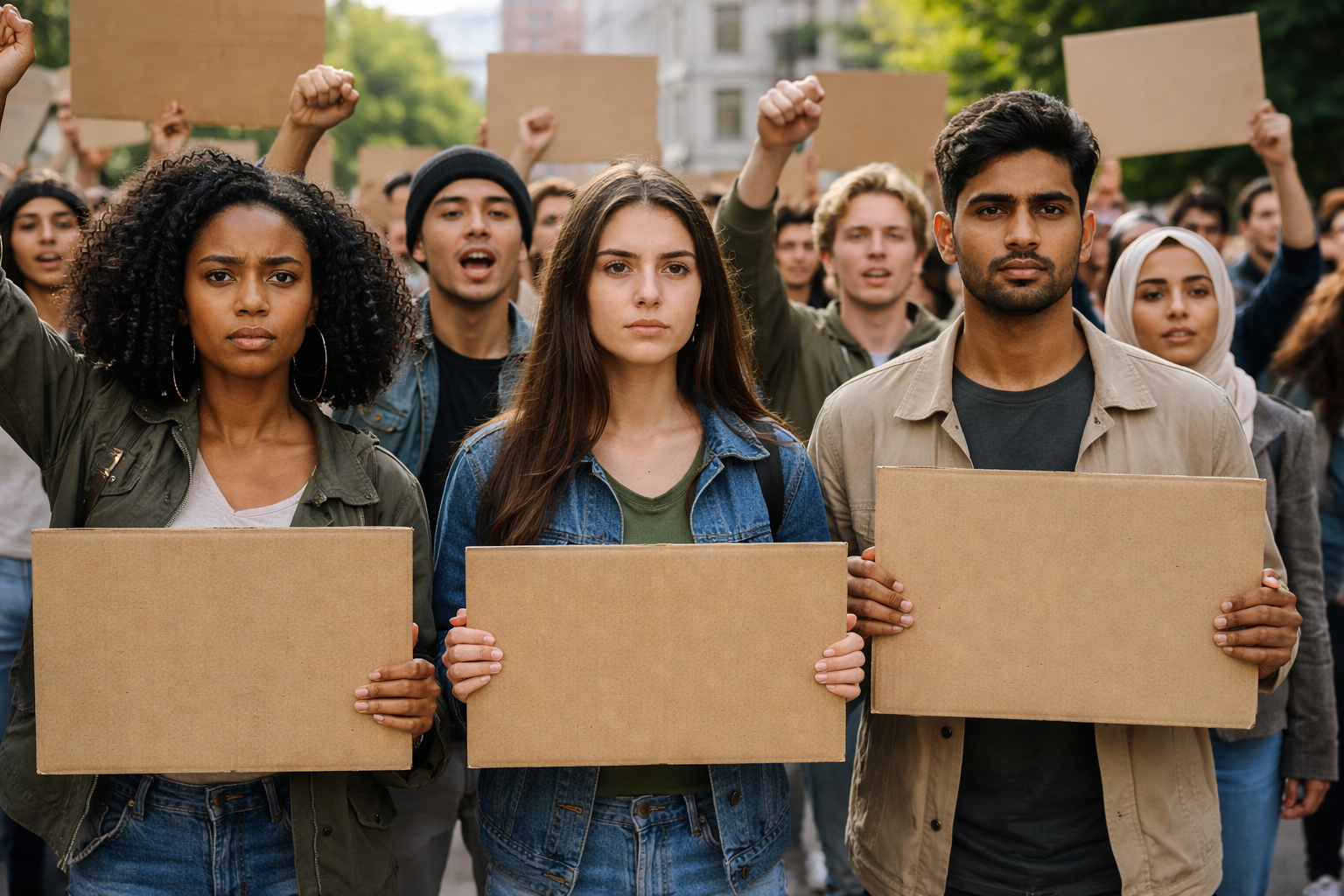
In 2025, a generation once dismissed as politically disengaged proved the world wrong. From the streets of Kathmandu to protest squares in Lima, Gen Z political movements reshaped elections, policy debates, and public discourse across continents.
Why Gen Z Entered the Political Arena
Born into a world marked by economic instability, climate anxiety, and digital overload, Gen Z has grown up questioning traditional power structures. Unlike earlier generations, their political awakening has been shaped by social media, global connectivity, and firsthand exposure to inequality.
Over time, frustration with slow reforms and unresponsive leadership pushed young voters and activists to organise, mobilise, and vote in unprecedented numbers.
Key Moments That Defined Gen Z’s Political Impact in 2025
Across multiple countries, Gen Z’s influence became impossible to ignore. Some defining developments included:
- Youth-led protests demanding accountability and transparency
- Massive social media-driven voter registration campaigns
- First-time voters swinging election outcomes in tightly contested races
- Grassroots movements forcing mainstream parties to adopt youth-centric agendas
From Nepal’s civic mobilisation to Latin America’s urban youth movements, Gen Z didn’t just participate they dictated the tone.
Digital Activism as a Game Changer
Unlike traditional political organising, Gen Z leveraged digital platforms to bypass legacy media and gatekeepers. Short videos, viral explainers, and meme-driven messaging turned complex policy issues into accessible conversations.
Online spaces became organising hubs, fundraising platforms, and tools for real-time political pressure — often faster and more effective than conventional rallies.
Why This Shift Is Different
Political analysts say Gen Z’s approach marks a structural shift rather than a temporary surge. Unlike older movements centred around single issues, Gen Z activism is intersectional combining climate justice, employment rights, social equality, and governance reform.
Experts note that this generation values authenticity over ideology and holds leaders accountable regardless of party affiliation.
Why This Matters Beyond 2025
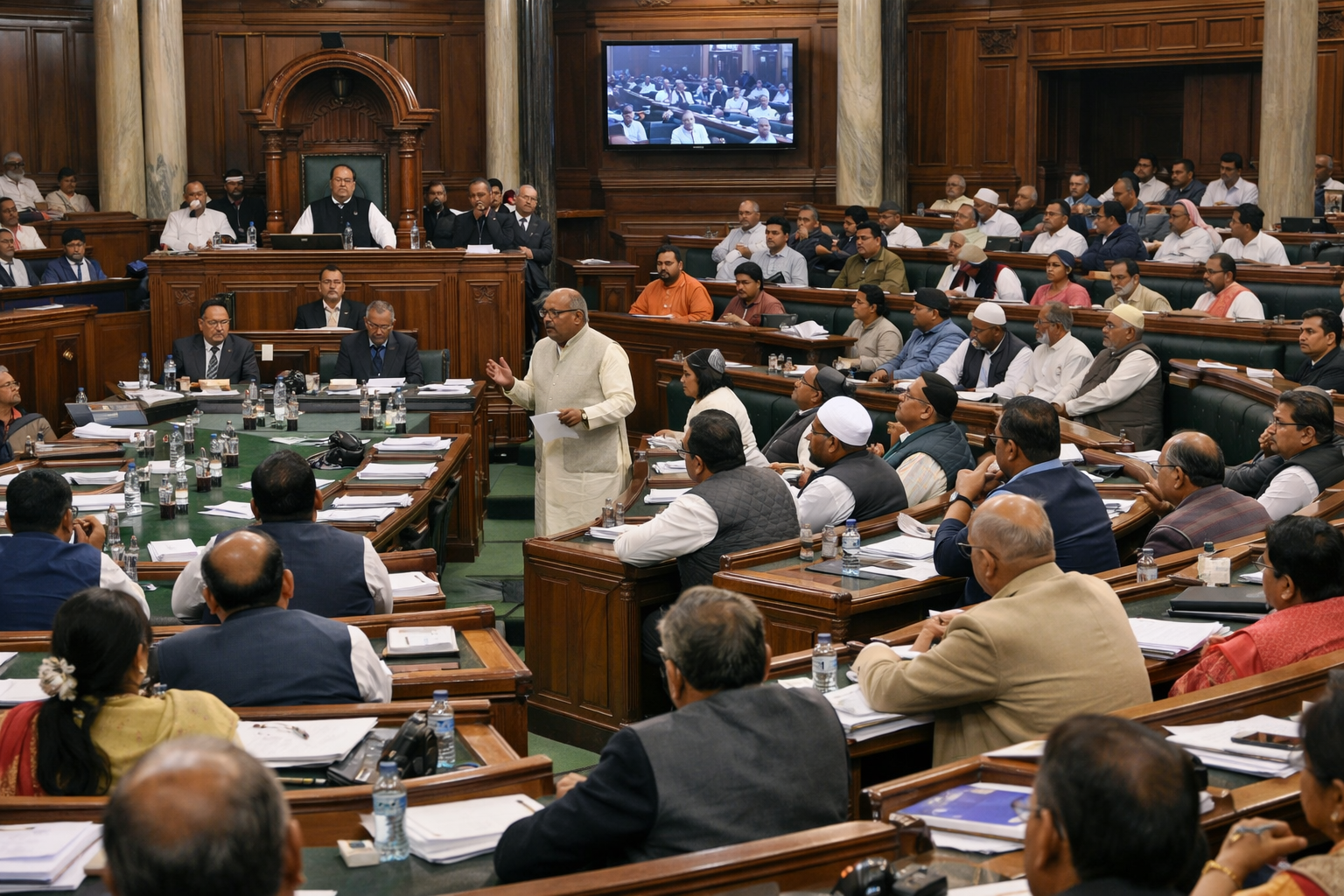
The rise of Gen Z in politics signals long-term consequences for democracies worldwide. Governments can no longer afford to ignore youth voices without risking legitimacy. Policies on education, employment, housing, and climate are now central to electoral survival.
More importantly, Gen Z’s insistence on transparency and digital accountability is reshaping how political power is exercised and monitored.
What Comes Next for Youth-Led Politics
As Gen Z matures, their influence is expected to deepen rather than fade. Many young activists are already transitioning into formal political roles contesting local elections, joining policy think tanks, and reshaping party leadership from within.
Observers predict that future elections will increasingly revolve around issues defined by this generation, not inherited from the past.
A Generation That Refused to Stay Silent
From Kathmandu to Lima, 2025 will be remembered as the year Gen Z stepped fully into political power. Their methods may be unconventional, but their impact is undeniable. This is not a passing wave it’s the beginning of a generational realignment that could define global politics for decades.