Flight to Varanasi diverted amid mid-air threat
A bomb scare aboard a Air India Express flight from Mumbai to Varanasi forced an emergency landing and swift evacuation, while a separate digital threat targeted five major airports, sparking heightened aviation security.
Rising aviation alerts amid national security concerns
In recent months, India’s airports and airlines have faced several security challenges from bomb‐threat hoaxes to real terror alerts. The latest incident comes on the heels of a car explosion near Delhi’s Red Fort, which prompted nationwide vigilance and intensified checks at transit hubs.
Key details of the incident
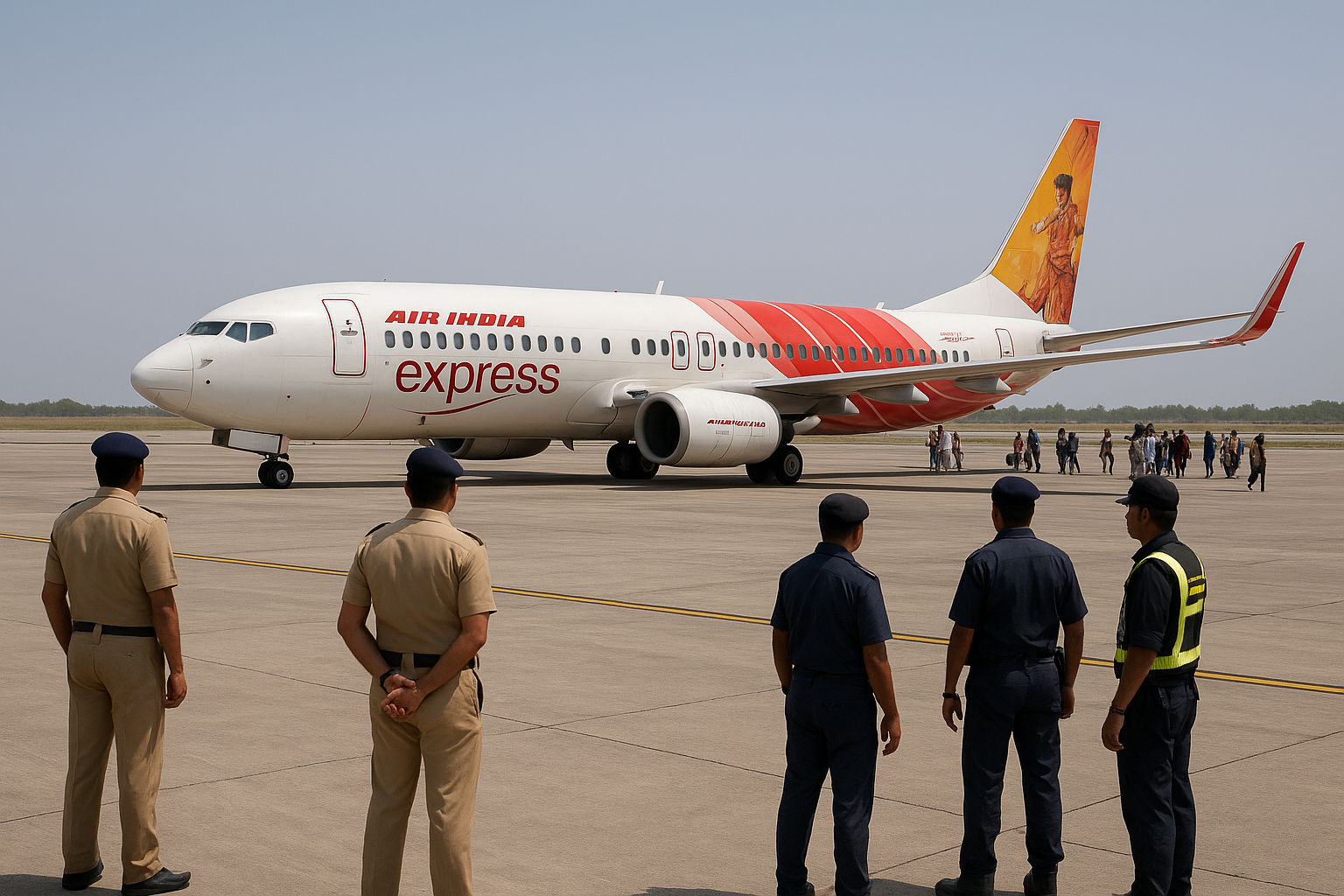
- Flight IX 1023 of Air India Express, scheduled from Mumbai to Varanasi, was diverted amid a bomb threat on board.
- All passengers disembarked safely after the aircraft landed and was isolated for intensive security checks.
- Around the same time, several airports including those in Delhi, Mumbai, Chennai, Hyderabad and Thiruvananthapuram received digital bomb‐threat alerts via an airline grievance portal. These were later declared hoaxes.
- A government‐appointed Bomb Threat Assessment Committee was immediately alerted and protocols were activated.
How aviation specialists view the threat
Security analysts say these incidents underscore both the vulnerability and responsiveness of India’s aviation system. While the threat aboard the plane turned out to be a hoax, the swift isolation and evacuation demonstrate improved protocols. One analyst observed: “The real test is not just what happens after a threat, but how airlines and airports integrate real-time intelligence with ground action.”
Implications for passengers and aviation
- Passenger confidence: Such threats can erode trust in air travel safety, especially when boarding and mid-flight protocols are involved.
- Operational costs: Emergency landings, evacuations and checks incur high costs and disrupt schedules.
- Security burdens: Multiple threats stretch security resources and raise the need for smarter threat detection and response systems.
- Policy shifts: The incident may lead to tighter regulations for airlines, grievance portals, and airport security measures.
Steps for airlines, airports and travellers
- Airlines will likely review and upgrade threat‐detection systems, especially for digital alerts through internal portals.
- Airports may implement enhanced screening protocols and stronger coordination between carriers and security agencies.
- Travellers should anticipate longer processing times, arrive well ahead of scheduled departure and follow any extra security instructions.
- Authorities will continue investigating the origin of these digital threats and may enforce stricter legal measures against hoax perpetrators.
Vigilance matters more than ever
While the bomb scare aboard the Air India Express flight turned out to be a hoax, the event is a stark reminder of the evolving security landscape in India’s aviation sector. For passengers, airlines and airports alike, the message is clear: preparedness and fast action save lives and hours alike.