
Why Zinc Matters for Your Body
Zinc plays a vital role in immune function, cell repair, wound healing, and healthy skin. According to AIIMS-trained doctor Dr. Saurabh Sethi, common signs of zinc deficiency include loss of taste or smell and slower wound healing not just loss of appetite, as many assume. Since our bodies don’t produce zinc naturally, it’s essential to get it through diet.
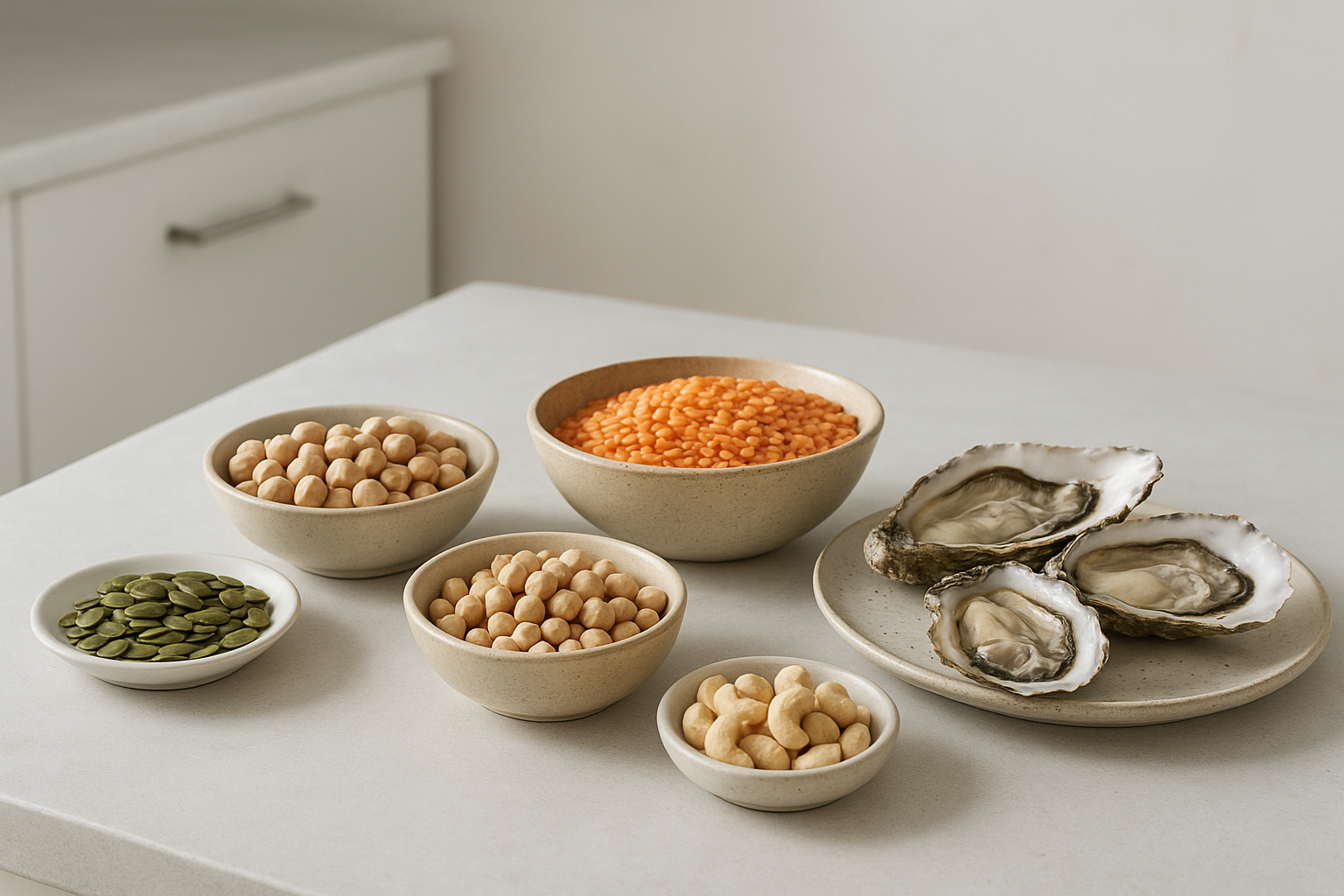
Top 5 Foods to Increase Zinc Intake Naturally
Dr. Sethi recommends the following zinc-rich foods you can easily add to your daily meals.
- Pumpkin seeds — A crunchy snack or salad topper that packs a good punch of zinc.
- Chickpeas (Chole) — Use in salads or curries; a filling, plant-based source of zinc.
- Lentils (Daal) — A staple in many diets, lentils are a consistent and affordable way to boost zinc.
- Cashew nuts — Whether raw or roasted, cashews make a handy snack rich in zinc.
- Oysters — For non-vegetarians, oysters are among the richest natural zinc sources and can help quickly correct deficiency.
These foods whether plant-based or from seafood offer a range of options depending on dietary preferences and needs.
Nutrition Science Behind Zinc Sources
- Animal vs. plant-based zinc: Animal sources like oysters and meat provide zinc in a form that’s more readily absorbed by the body.
- Vegetarian alternatives matter: Legumes, nuts, seeds despite containing phytates (which can reduce absorption) still contribute significantly to daily zinc intake when consumed regularly.
- Balanced diet is key: Combining zinc-rich foods with a varied diet ensures you also get other necessary nutrients (protein, fibre, healthy fats) for overall health.
Expert Advice: Dr. Sethi’s Take
Dr. Sethi cautions that zinc deficiency is often overlooked. Loss of taste or smell and delayed healing are strong indicators not just lack of appetite. He recommends consciously including zinc-rich foods in daily meals rather than relying on supplements or processed foods.
For vegetarians especially, pumpkin seeds, legumes, nuts, and lentils can form the core of a zinc-supportive diet. And for non-vegetarians, modest inclusion of seafood such as oysters can significantly improve zinc status.
Why It’s Important: The Broader Impact of Zinc
- Stronger immunity: Zinc supports immune cell function, reducing susceptibility to infections.
- Faster healing & tissue repair: From minor cuts to skin health adequate zinc helps the body repair itself efficiently.
- Better overall health: Zinc also supports growth, cell regeneration, and may influence metabolism — making it a vital nutrient for all age groups.
What You Should Do Next
- Add variety: Rotate between nuts, seeds, legumes, and seafood to keep zinc intake consistent.
- Balance absorption: If you rely on plant-based zinc, consider methods like soaking or sprouting beans/legumes to improve mineral absorption.
- Monitor symptoms: Be on the lookout for signs like slow wound healing or loss of taste/smell they may indicate zinc deficiency.
- Consult a professional: Before making drastic dietary changes especially for people with existing conditions speak with a qualified doctor or nutritionist.
Takeaway
Zinc is an essential mineral often overlooked but it’s fundamental to immunity, healing, and overall well-being. Simple dietary additions like pumpkin seeds, chickpeas, lentils, cashews, or oysters can help keep zinc levels balanced. As advised by an AIIMS-trained doctor, incorporating these regularly can make a noticeable difference in health.