
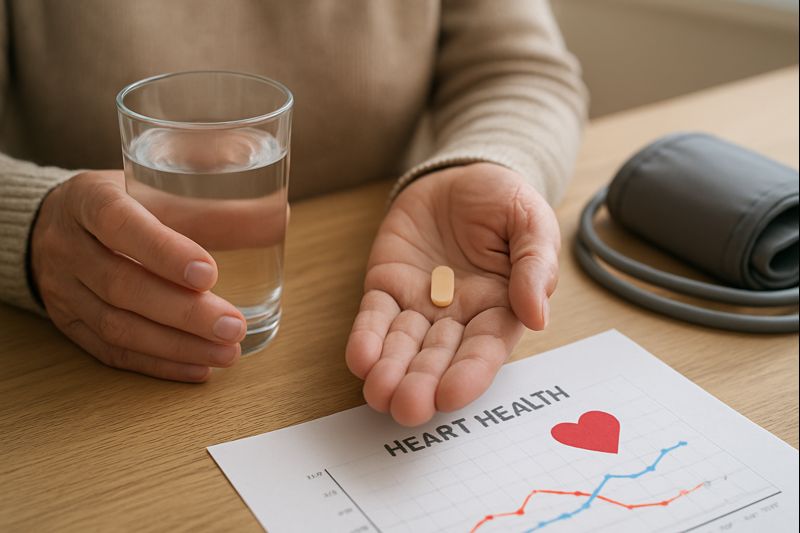
Daily multivitamins could offer subtle blood pressure benefits
Emerging research suggests that taking a daily multivitamin might help certain older adults modestly reduce their blood pressure, especially those with poorer dietary patterns. While not a universal cure for hypertension, this unexpected benefit highlights how micronutrients could play a quiet but meaningful role in heart health.
Nutrition and blood pressure a complex relationship
High blood pressure (hypertension) affects millions worldwide and is a major risk factor for heart disease and stroke. Lifestyle factors including diet quality, physical activity, and stress significantly influence blood pressure levels. Multivitamins are widely available and often taken to fill dietary gaps, but their role in blood pressure regulation has remained unclear until now.
What the Study Found: Key Takeaways from New Research
A recent analysis from the COcoa Supplement and Multivitamin Outcomes Study (COSMOS) sheds new light on multivitamin use and blood pressure:
- Targeted benefits in select groups: The research showed that daily multivitamin use was linked to modest reductions in blood pressure among older adults who had normal blood pressure levels and poorer diets at the start of the study.
- Not a blanket solution: When researchers analyzed the full group of participants, there was no significant overall difference in hypertension risk between the multivitamin group and those taking a placebo.
- Potential nutrient gap impact: The findings hint that filling micronutrient deficiencies through daily supplementation might help improve cardiovascular markers for those with suboptimal nutrition.
The study’s long-term follow-up spanning several years of daily multivitamin use offers one of the most comprehensive looks yet at how supplements may subtly influence heart-related health in older populations.
Expert Insight: What Nutrition Researchers Say
Lead investigators Rikuta Hamaya, MD, and Howard Sesso, ScD, MPH, explained that micronutrients can bolster the body’s ability to regulate blood pressure particularly when diet alone doesn’t deliver essential vitamins and minerals. They emphasize that while supplements aren’t a substitute for a healthy diet, they might support blood pressure control in specific subgroups.
Healthcare professionals often stress that balanced nutrition rich in fruits, vegetables, whole grains, and lean proteins remains crucial for cardiovascular health. However, this study suggests that strategic supplementation could complement diet improvements, especially for older adults.
Why These Findings Matter
Understanding the potential link between multivitamin use and blood pressure has real-world relevance:
- Heart health awareness: High blood pressure is a silent but significant risk factor for cardiovascular disease. Even modest improvements in blood pressure can reduce long-term risks for heart attack and stroke.
- Accessible intervention: Daily multivitamins are affordable and easy to incorporate, making them a practical consideration for older adults with limited dietary diversity.
- Informed supplement use: This research encourages evidence-based discussions between patients and healthcare providers about when and how to use multivitamins effectively.
What’s Next: Future Research Directions
Although findings are promising, further studies are needed to unpack how multivitamins influence blood pressure across different age groups, diets, and health statuses. Scientists hope to conduct additional trials in younger populations and diverse global cohorts to see if results hold beyond older adults with poor diets.
Experts also want to identify which specific micronutrients such as magnesium, potassium, or B vitamins deliver the most benefit, helping tailor more targeted supplement recommendations.
Conclusion
The latest research reveals that daily multivitamins might quietly help lower blood pressure for certain older adults, especially those with subpar diets. While not a one-size-fits-all solution, this discovery adds an intriguing piece to the heart health puzzle and highlights the critical role of micronutrients in aging populations. As science continues to explore nutrition’s impact on chronic disease, informed supplement use paired with healthy lifestyle choices could offer a subtle edge in the fight against hypertension.