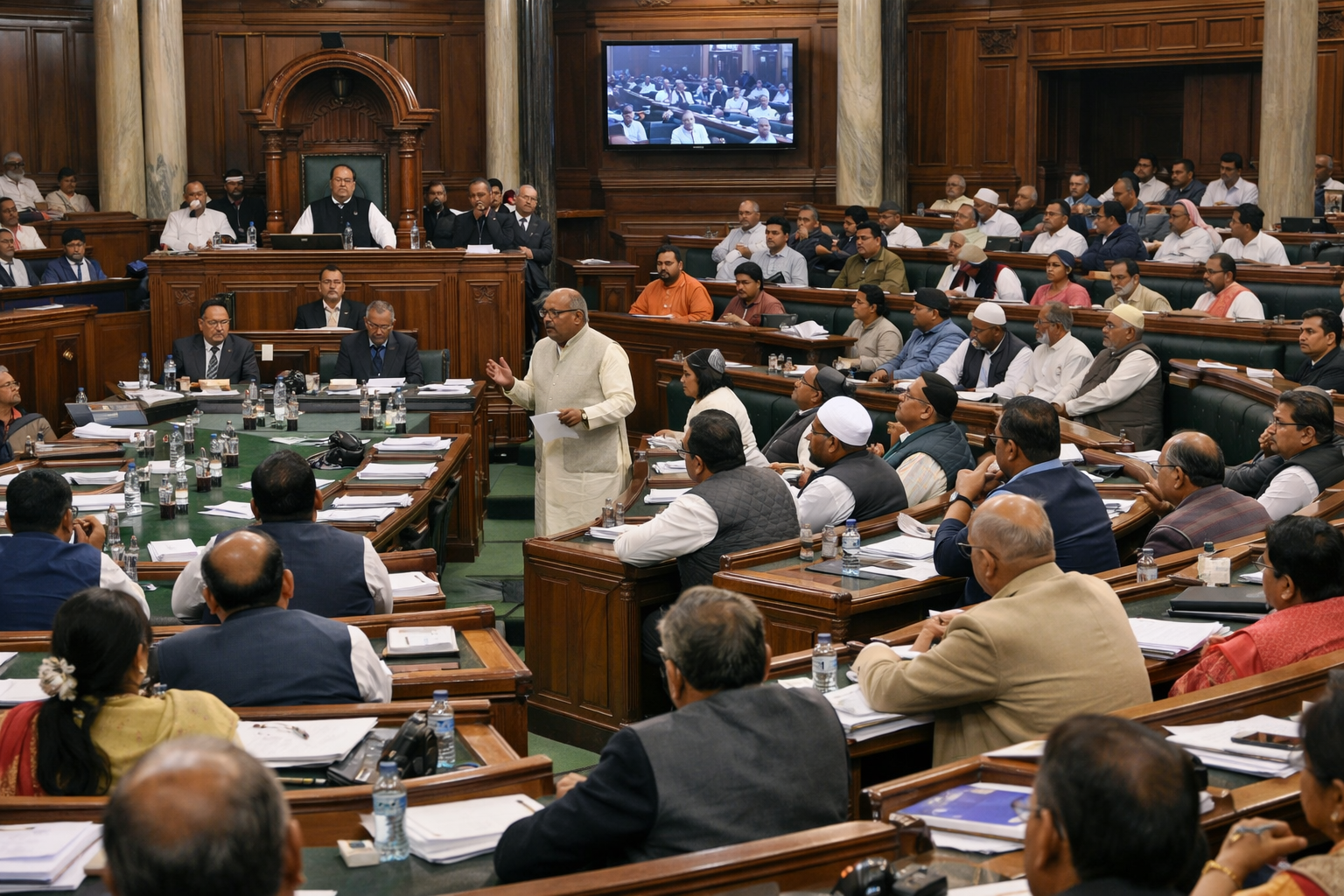
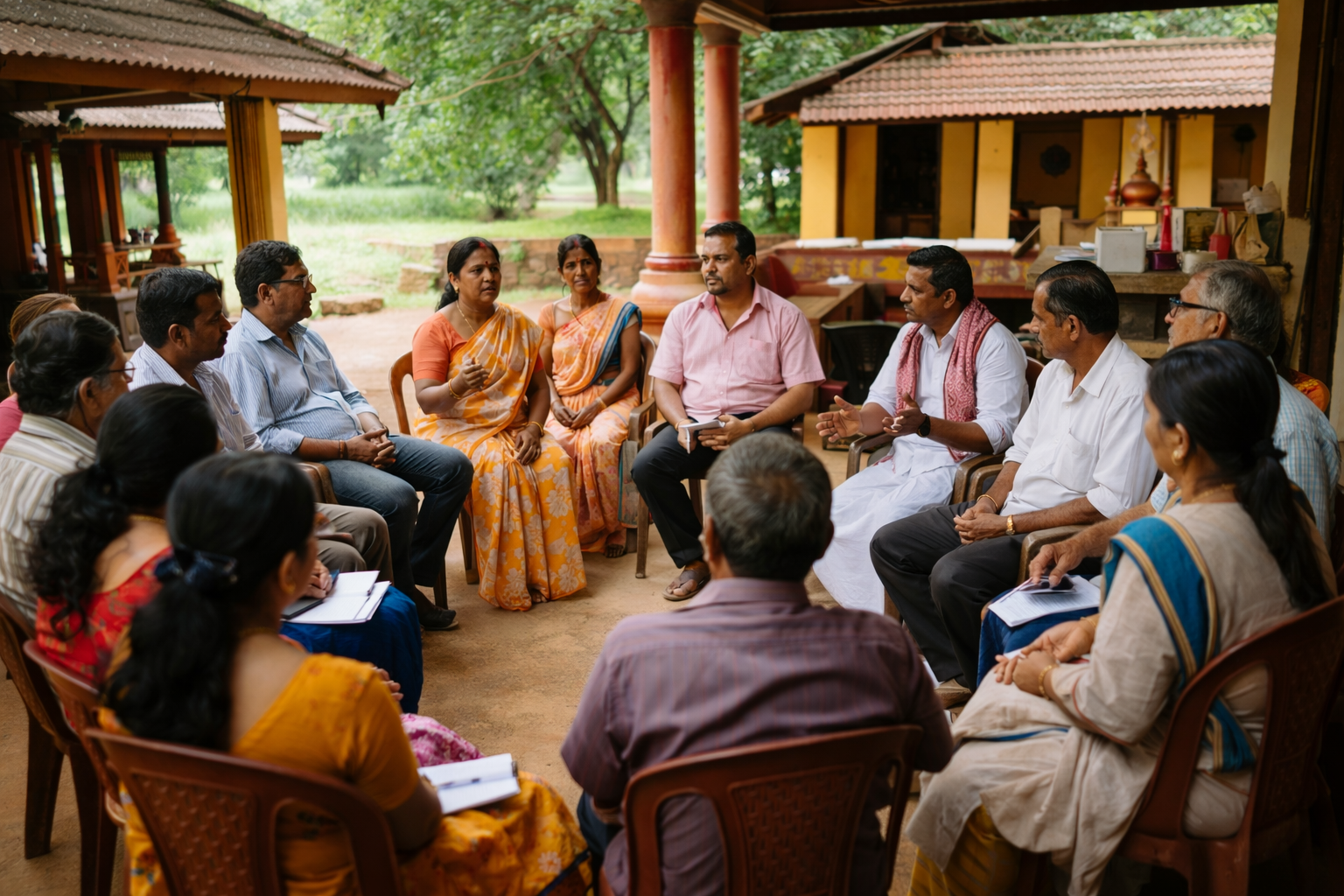
Political interference in rural governance raises concerns
Political experts and civil society members in Goa are raising alarms that increasing party politics within Zilla Panchayats (ZPs) is undermining the core principles of grassroots democracy. Their cautionary voices reflect growing unease about local deliberation being swayed by broader political agendas rather than community needs.
The role of Zilla Parishads in local governance
Zilla Parishads district-level rural governing bodies are designed to bring democratic decision-making closer to the people. They oversee development programs, welfare schemes, infrastructure projects, and public services in rural areas.
Traditionally, these bodies were meant to be platforms where local leaders could address community challenges without undue influence from state-level party machinations. However, political analysts say that model is increasingly under strain.
What experts are saying about party politics in ZPs
According to the Times of India report, academics, former panchayat officials, and local activists believe that party allegiances increasingly dictate Zilla Parishad decisions, eroding citizen trust and diluting the original purpose of decentralised governance.
Key observations include:
- Political loyalty over local needs: Decisions in ZPs are reportedly swayed by party directives rather than issues raised by local communities.
- Reduced deliberation: Meetings often prioritise party strategy discussions, leaving less time to debate pressing village-level matters.
- Marginalisation of independent voices: Representatives without strong party backing feel marginalised, weakening diverse community voice.
- Voter disillusionment: Citizens begin to see local governance as an extension of state politics rather than a platform for real change.
Local observer Priya Sawant (name paraphrased for narrative) points out that “when panchayats become battlefields for party politics, the fundamental promise of community-driven development is lost.”
Why this trend is concerning
Political scientists stress that grassroots democracy thrives on autonomy, responsiveness and accountability. When external party pressures override these factors, the effectiveness of local governance is compromised.
Dr. Arvind Nayak (name paraphrased), a governance expert from Goa University, explains that “Zilla Parishads are meant to be forums where local problems get local solutions. But when external party priorities dominate, issues like water supply, rural health, and education may take a backseat.”
Analysts also warn that neglecting local needs can deepen socio-economic divides, especially in rural regions where government schemes are lifelines for vulnerable groups.
The significance of strengthening local democracy
Grassroots democracy is foundational to India’s democratic fabric. Bodies like ZP enable communities to participate in decisions affecting their daily lives. Weakening this structure can lead to:
- Loss of community trust in governance
- Diminished quality of local public services
- Reduced participation in future elections
- Policy decisions misaligned with local realities
Experts argue that reinforcing the non-partisan nature of panchayats could rekindle community faith and stimulate more effective governance.
Calls for reform and citizen engagement
To counter growing political interference, experts recommend:
- Strengthening statutory protections that limit party dominance in Zilla Parishads
- Capacity building for independent representatives so they can lead without undue pressure
- Public awareness campaigns to encourage voter engagement on local issues
- Monitoring mechanisms that ensure transparent, needs-based decision-making
Civil society organisations in Goa are already mobilising workshops to educate elected members on democratic best practices.
The need to reclaim grassroots governance
The warning from experts about rising party politics in Zilla Parishads is a wake-up call for Goa and potentially for other states observing similar trends. Reinforcing the original spirit of panchayati raj institutions is critical for ensuring that local voices are heard and community interests remain at the forefront of rural development.
Restoring balance between political influence and grassroots autonomy may be key to safeguarding India’s democratic promise at the most fundamental level.