How technology is reshaping the way consumers discover, shop, and connect with fashion
The fashion industry is undergoing a quiet but powerful transformation as digital tools redefine customer experience. From virtual try-ons to AI-driven personalisation, brands are rethinking how they engage shoppers across online and offline platforms.
From brick-and-mortar to digital-first fashion
For decades, fashion retail revolved around physical stores, seasonal collections, and in-person experiences. The rise of e-commerce changed buying habits, but recent advances in technology have accelerated the shift even further.
Factors such as the pandemic, smartphone penetration, and social commerce pushed brands to adopt digital solutions faster than planned. Today, customer experience in fashion is no longer limited to the store it spans apps, websites, social media, and immersive digital environments.
Key trends driving fashion’s digital transformation
Fashion brands are now investing heavily in technologies that place the customer at the centre of the journey. The focus has moved from selling products to creating seamless, personalised experiences.
Key developments shaping the digital leap include:
- AI-powered personalisation that recommends products based on browsing behaviour and preferences
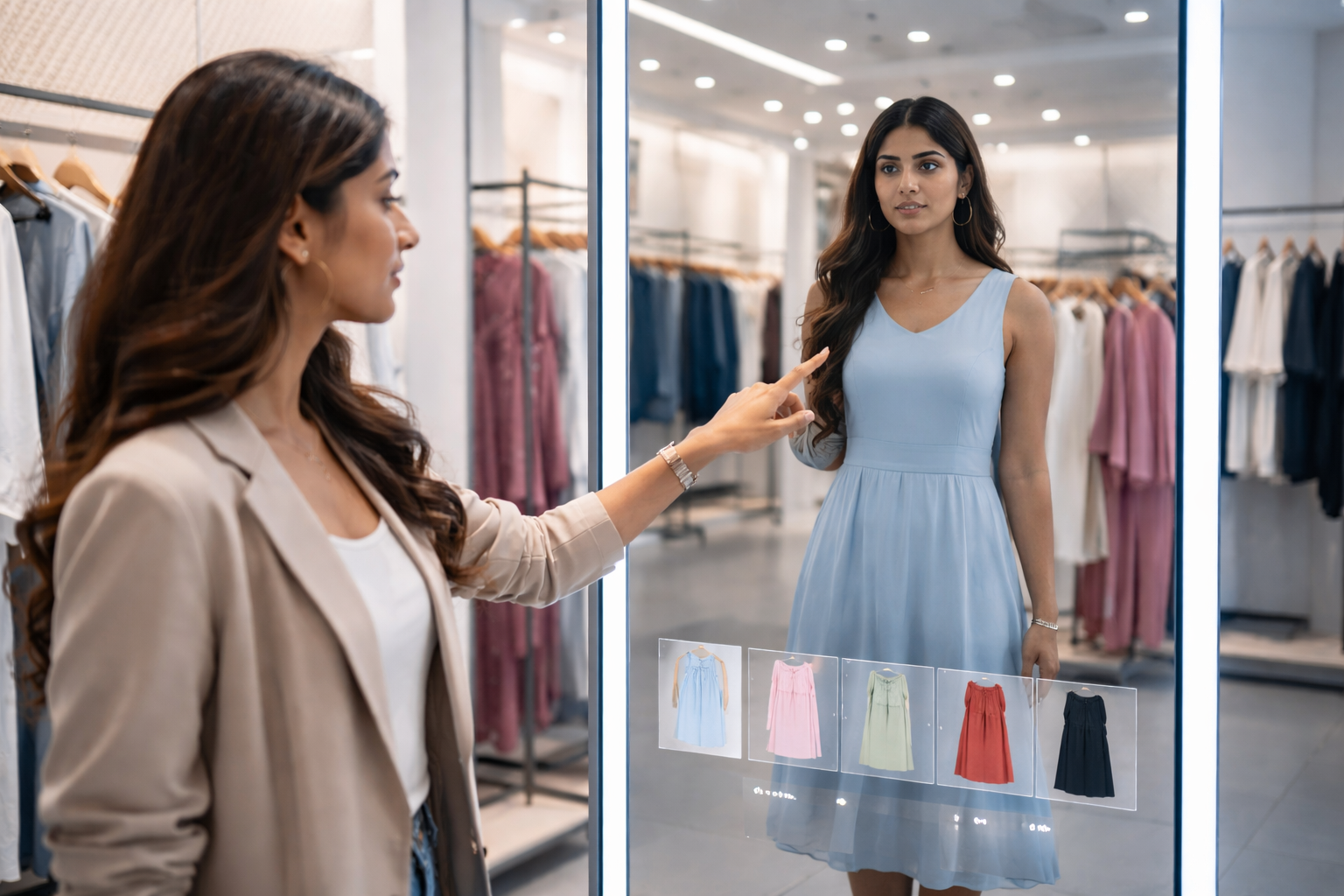
- Virtual try-ons and augmented reality allowing customers to visualise outfits before buying
- Omnichannel integration, where online and offline experiences blend smoothly
- Data-driven insights helping brands understand customer needs in real time
- Social commerce and live shopping, turning content into instant purchase opportunities
These tools are not just improving convenience but also building stronger emotional connections between brands and consumers.
What experts say about digital customer experience
Retail and fashion technology experts believe the future belongs to brands that use digital tools thoughtfully, not aggressively. Instead of overwhelming shoppers, successful brands are simplifying choices and making interactions more intuitive.
Industry analysts point out that customers now expect fashion brands to “remember” them their sizes, tastes, and past purchases. Digital platforms that deliver relevance, speed, and trust are far more likely to retain loyal customers in a crowded market.
The business impact of better digital experiences
Customer experience has become a decisive competitive advantage in fashion. Shoppers are quick to abandon brands that offer clunky apps, slow websites, or impersonal communication.
A strong digital experience helps brands:
- Increase conversion rates and repeat purchases
- Reduce product returns through better visualisation
- Strengthen brand loyalty and trust
- Reach global audiences without physical expansion
- Collect insights that guide smarter design and inventory decisions
In a market where products can be copied, experience is what truly differentiates one brand from another.
The future of fashion’s digital journey
Looking ahead, the fashion industry is expected to explore deeper digital integration. Technologies like AI-generated styling, virtual fashion shows, metaverse storefronts, and predictive demand planning are gaining attention.
Sustainability will also play a role, with digital tools helping brands reduce waste, optimise production, and promote responsible consumption. The brands that succeed will be those that balance innovation with authenticity and customer trust.
Experience, not just fashion, is the new focus
Fashion’s digital leap is not about replacing creativity with technology it’s about enhancing how customers experience style. As expectations evolve, brands that listen, adapt, and innovate will set the tone for the next era of fashion retail.
The future of fashion lies not just in what people wear, but in how effortlessly and meaningfully they connect with the brands they love.