What’s Happening: HIV Fight in Peril
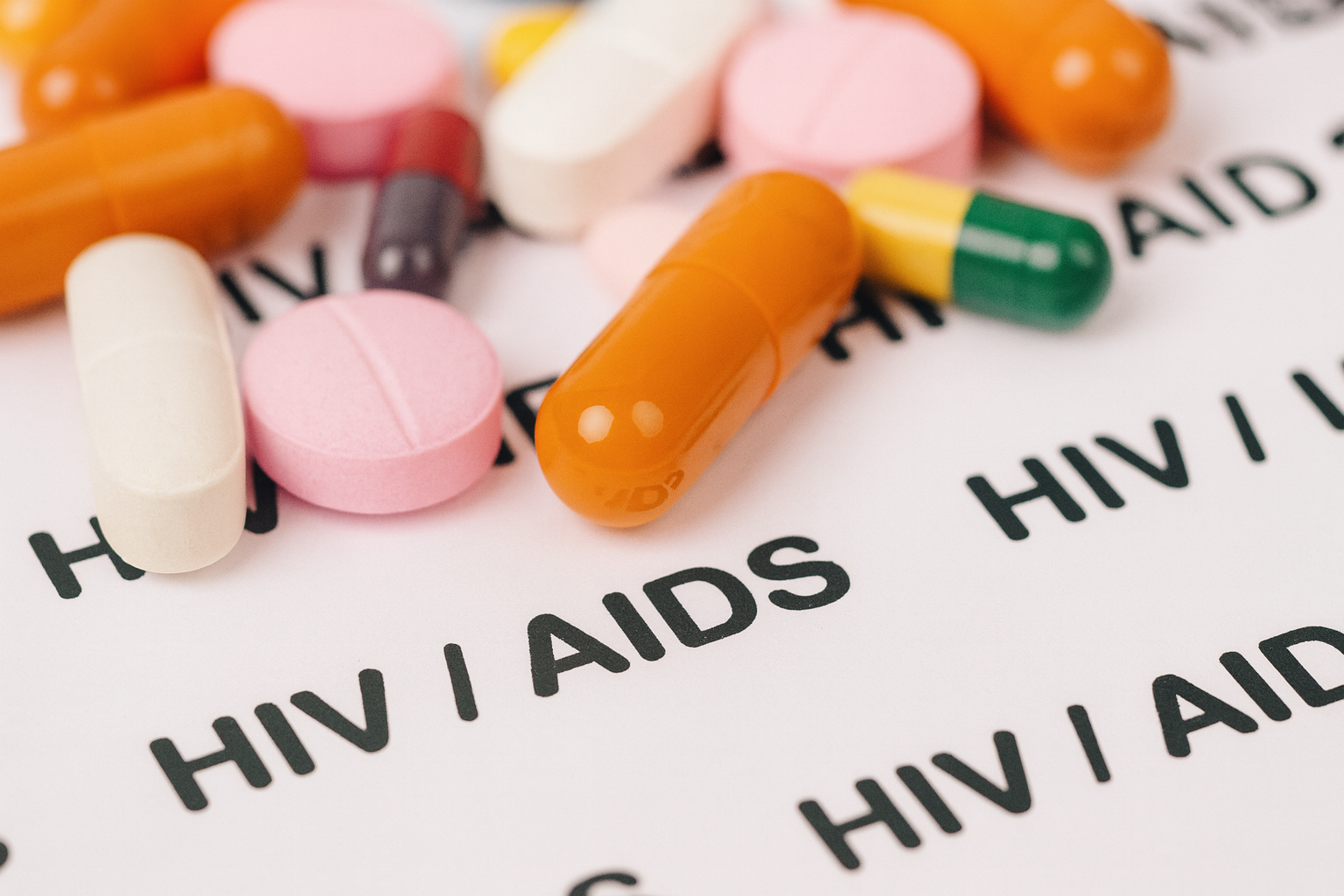
The global effort to combat HIV is under severe threat. According to a new report by UNAIDS, massive funding cuts in 2025 particularly from international donors have destabilized HIV programs across many low- and middle-income countries. Prevention services, testing and treatment access have already started shrinking, putting millions at increased risk.
Decades of Progress Now at Risk
For years, global health efforts had made remarkable strides: reductions in new HIV infections and AIDS-related deaths, expanded access to treatment, and wide availability of preventive services like PrEP (pre-exposure prophylaxis). Many of these gains were underpinned by international funding often from donor countries.
But in 2025, the backbone of that funding support weakened dramatically. External health assistance critical for HIV prevention and treatment is estimated to have fallen by 30–40% compared with 2023, triggering immediate and severe disruption across the global HIV response.
How Funding Cuts Are Impacting HIV Services
- Clinics and community-led health centers in many countries have scaled back operations or closed, leading to reduced access to testing and treatment.
- Preventive services are among the hardest hit: distribution of preventive medicines, condoms, and PrEP has plummeted. For instance, preventive medicine distribution dropped by 31% in Uganda, 21% in Vietnam, and 64% in Burundi; condom distribution in Nigeria fell by 55%.
- In many countries, treatment initiations have fallen, and stock-outs of HIV test kits and essential medicines have been reported.
- Vulnerable populations have faced disproportionate impact: women-led HIV organisations have lost funding or suspended services, depriving many of sexual health support, mental health care, and protection from gender-based violence.
UNAIDS warns that if the current funding crisis continues unchecked, the world could see 3.3 million additional HIV infections between 2025 and 2030 a devastating reversal of global AIDS-fighting progress.
Expert Insight
UNAIDS Executive Director Winnie Byanyima highlighted the gravity of the situation:
“The funding crisis has exposed the fragility of the progress we fought so hard to achieve.”
According to the agency, community-led organizations remain a vital lifeline. In several countries, local initiatives are stepping up using grassroots networks to continue care, treatment and prevention services even as donor funds dry up.
The Human and Global Impact
This isn’t just a statistics problem. The funding collapse threatens to undo decades of hard-won gains, disproportionately harming people in low-resource settings.
- Millions of individuals could lose access to HIV testing, preventive tools and life-saving treatment increasing risk of new infections and deaths.
- Vulnerable communities, including women, adolescents, and marginalized groups, are especially at risk due to contracting services and reduced community support.
- The global targets to end AIDS as a public health threat by 2030 are now at serious risk potentially reversing global progress.
What’s Next: Turning the Tide
UNAIDS is calling for urgent global action:
- Countries must bolster domestic funding to compensate for falling international aid. Some nations have already committed to increasing budgets for 2026.
- There is a push to scale up affordable, long-acting HIV preventive technologies (like injectables), which if funded could reduce transmission risk for millions.
- Advocacy for sustainable, rights-based health policies remains critical especially for protecting marginalized populations amid rising stigma and shrinking civil society space.
Global solidarity renewed financial commitment and stronger health systems will be key in preventing an HIV rebound.
Conclusion
The 2025 funding crisis has put the global HIV response at a critical juncture. Without swift, coordinated action, the world risks losing decades of progress against AIDS. But with renewed political will, increased domestic investment, and community-driven resilience, there’s still a chance to steer the fight back on course. The choice now matters more than ever.