
Why Your Brain May Suffer in Winter
As daylight shrinks and temperatures drop, many people report lower energy, reduced mental clarity, and more brain fog. According to research, colder weather can increase oxidative stress and inflammation, both of which undermine brain function.
Moringa the nutrient-dense leaf from the Moringa oleifera tree is now drawing attention for its potential to safeguard mental sharpness during these bleak winter months.
What Makes Moringa Brain-Friendly?
Moringa packs a powerful punch thanks to its rich profile of flavonoids, polyphenols, vitamins A and C, and essential minerals. These compounds do more than nourish they wield potent antioxidant and anti-inflammatory effects.
Here’s how moringa can help your brain during winter:
- Reduces Inflammation: Flavonoids in moringa inhibit inflammatory pathways (like NF-κB), protecting neurons from damage.
- Boosts Antioxidant Defense: It increases levels of enzymes like superoxide dismutase (SOD) and catalase, which neutralize harmful free radicals.
- Supports Neuroplasticity: Moringa may raise brain-derived neurotrophic factor (BDNF), which helps nerve cells stay healthy and connected.
- Enhances Memory & Learning: In preclinical studies, moringa showed improvements in memory and cognition, making it a promising natural nootropic.
What Research Shows (Expert Insight)
Preclinical studies lend strong support to moringa’s brain-boosting potential:
- In Alzheimer’s models (mice engineered to mimic the disease), moringa supplementation reduced amyloid-β plaque buildup a hallmark of the disease and improved memory.
- In neurotoxin-exposed rodents, moringa leaf extract slashed inflammatory markers like IL-6 and TNF-α, boosted antioxidant enzymes, and restored learning ability.
- Under metabolic stress (like a high-fat, high-fructose diet), moringa helped prevent signs of brain aging by supporting neuron repair and cell health.
Tips for Using Moringa Safely This Winter
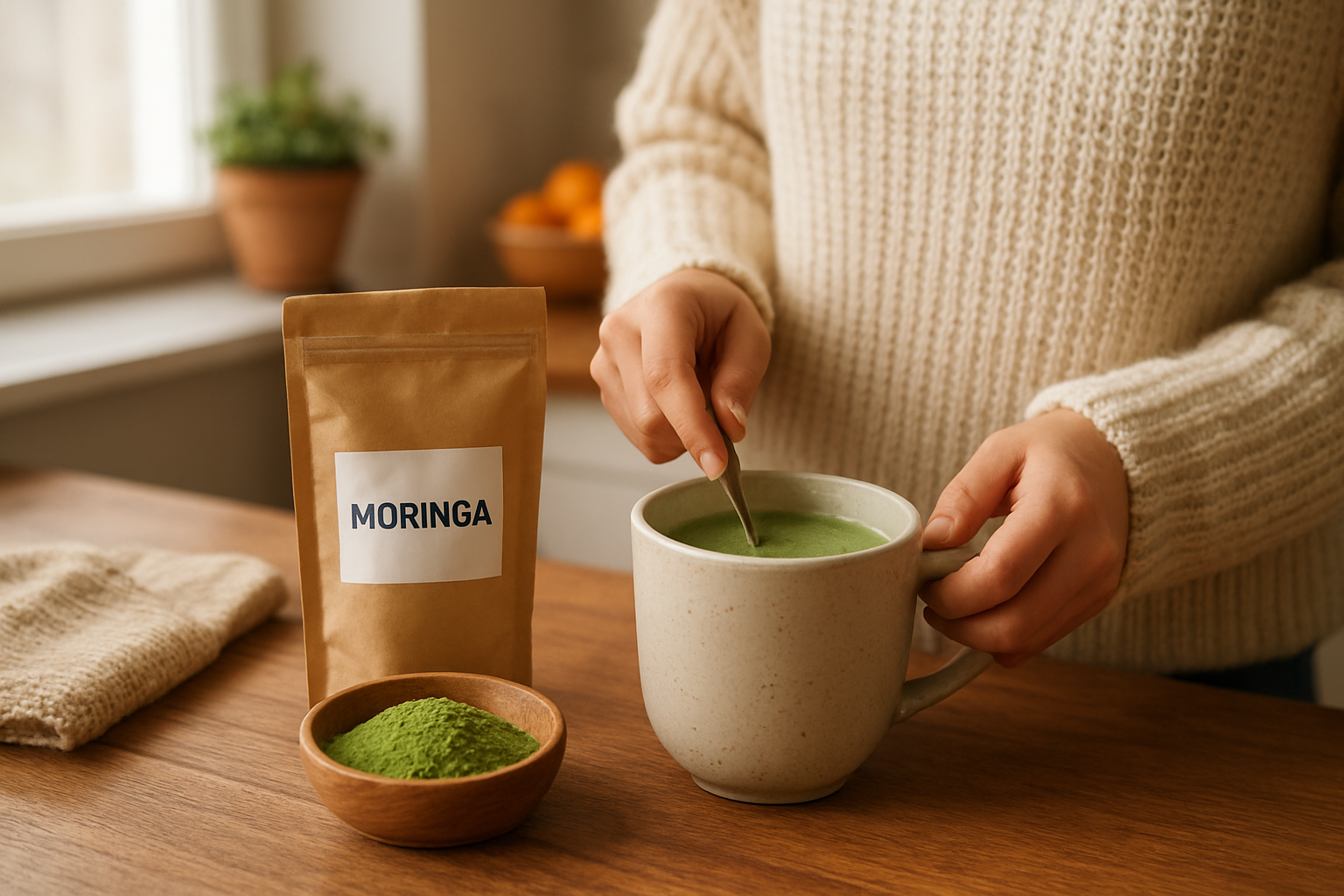
- How to Take It: You can use fresh moringa leaves in soups or smoothies, moringa-leaf powder in drinks, or moringa seed oil in capsules.
- Dosage Advice: Start with a small amount. Animal studies use controlled doses for humans, it’s wise to begin low and consult with a nutritionist or healthcare provider.
- Be Consistent: Benefits like inflammation reduction and improved focus are seen over weeks; moringa isn’t a quick fix.
- Pair with a Healthy Lifestyle: For best impact, combine moringa with a balanced diet, regular exercise, ample rest, and exposure to natural light, especially during the darker months.
Why This Matters for Winter Wellness
- Natural Brain Support: Instead of relying on stimulants, moringa offers a natural, plant-based way to help maintain cognitive clarity when winter drags you down.
- Anti-Stress and Anti-Ageing: By reducing inflammation and oxidative stress, moringa may help slow brain aging and support mental resilience.
- Accessible Wellness Tool: Moringa is widely available as powder, capsules, or fresh leaves making it easy to incorporate into your daily routine.
What’s Next?
- More Human Trials Needed: While preclinical studies are promising, more human research is needed to confirm moringa’s effects on brain health and cognition.
- Integration in Wellness Programs: Nutritionists and wellness coaches could recommend moringa as part of a holistic winter wellness plan, especially for people vulnerable to brain fog and fatigue.
- Sustainable Sourcing: As demand grows, ethical sourcing of moringa leaves and sustainable farming practices will be key to support both health and environment.
Final Thoughts
As winter winds blow, your brain doesn’t have to pay the price. Moringa with its antioxidant power and anti-inflammatory compounds offers a compelling way to support cognition, mood, and focus. While it’s not a magic cure, adding it wisely to your routine could be a smart move for long-term brain wellness.