
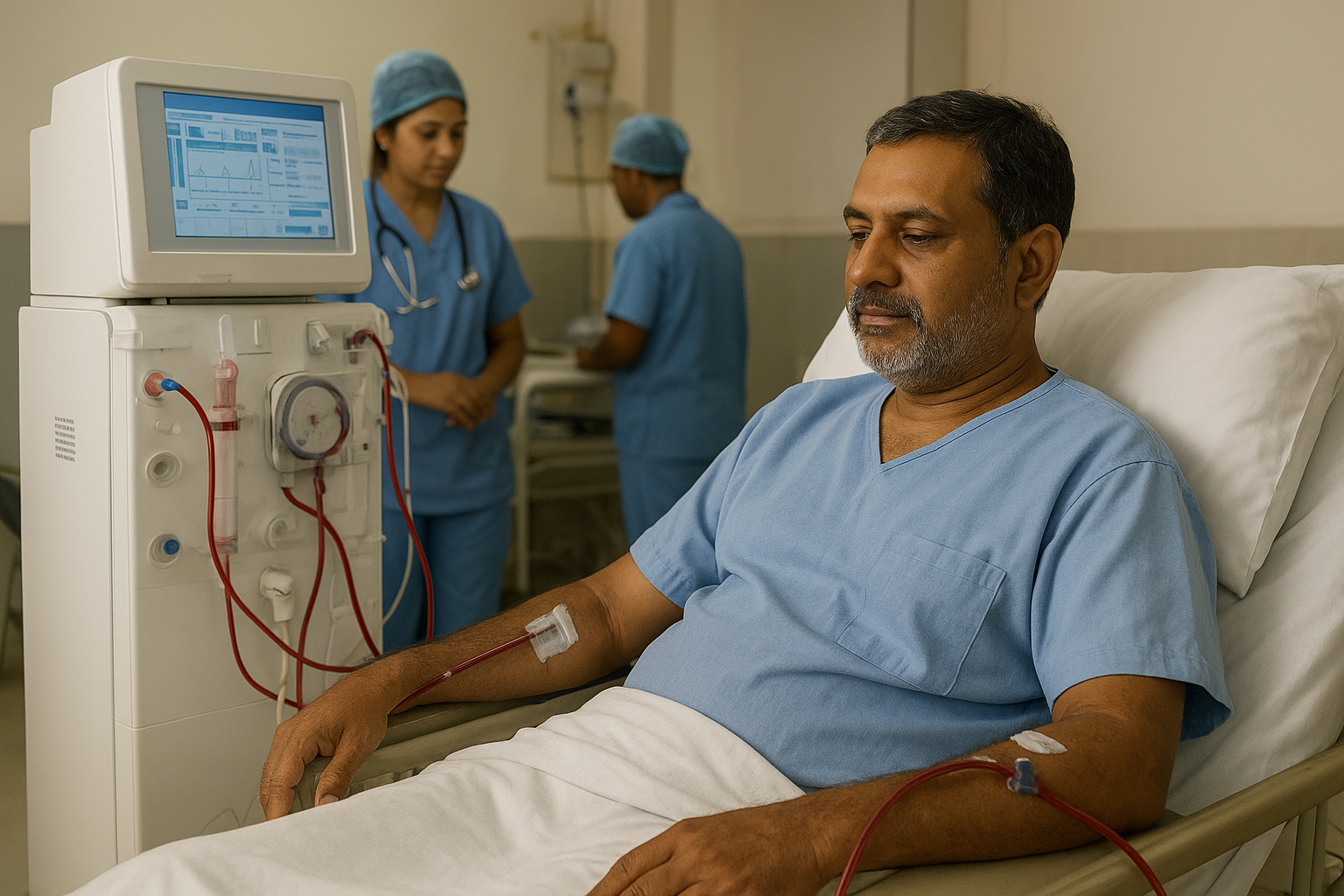
Alarming Rise of Kidney Disease in India
In 2023, India reported an estimated 138 million cases of chronic kidney disease (CKD), placing the country second only to China in global disease burden.
Researchers say the surge is largely driven by diabetes, hypertension and poor diet.
A Growing Public Health Crisis
CKD, often dubbed a “silent epidemic”, develops gradually and may remain symptom-free until advanced stages. A recent analysis published in The Lancet found that in 2023 CKD was the ninth-leading cause of death globally.
India’s high count reflects deeper issues: rapid urbanisation, rising non-communicable diseases and gaps in early detection.
Major Findings from the Study
- India’s CKD count: ≈ 138 million people in 2023.
- China led with ~152 million.
- CKD contributed to ~12% of global cardiovascular deaths in 2023.
- Leading risk factors include diabetes, high blood pressure and obesity; dietary habits (high sodium, low fruits/veg) also play a role.
These findings indicate most cases are early stage offering a window for intervention.
Expert Insight on India’s Kidney Disease Surge
Dr. Priya Menon, nephrologist in Delhi, notes: “With the number of CKD cases climbing rapidly in India, the emphasis must shift to screening and prevention rather than just treatment of end-stage disease.”
She warns that without aggressive public health action, the burden on healthcare systems will escalate.
Why This Matters for India
- Healthcare cost burden: Late-stage CKD requires dialysis or transplant, which are expensive and not evenly accessible.
- Loss of healthy years: CKD reduces quality of life, productivity and contributes to cardiovascular disease.
- Global health ranking shift: India moving to second place underscores that CKD is not just a medical issue but a societal one.
What’s Next Tackling the Silent Epidemic
Health authorities and policymakers must:
- Expand screening programmes for high-risk groups (diabetes, hypertension)
- Promote lifestyle interventions (diet, exercise, lower salt intake)
- Strengthen early detection infrastructure, especially in rural areas
- Ensure affordable access to diagnostics and treatment
These steps offer hope of curbing progression and lessening the disease’s social cost.
Conclusion
The latest figures place India at the heart of a global kidney-health emergency. With 138 million affected, the need for early detection, behaviour change and health system readiness has never been greater. Recognising CKD early could make all the difference between silent progression and effective control.