
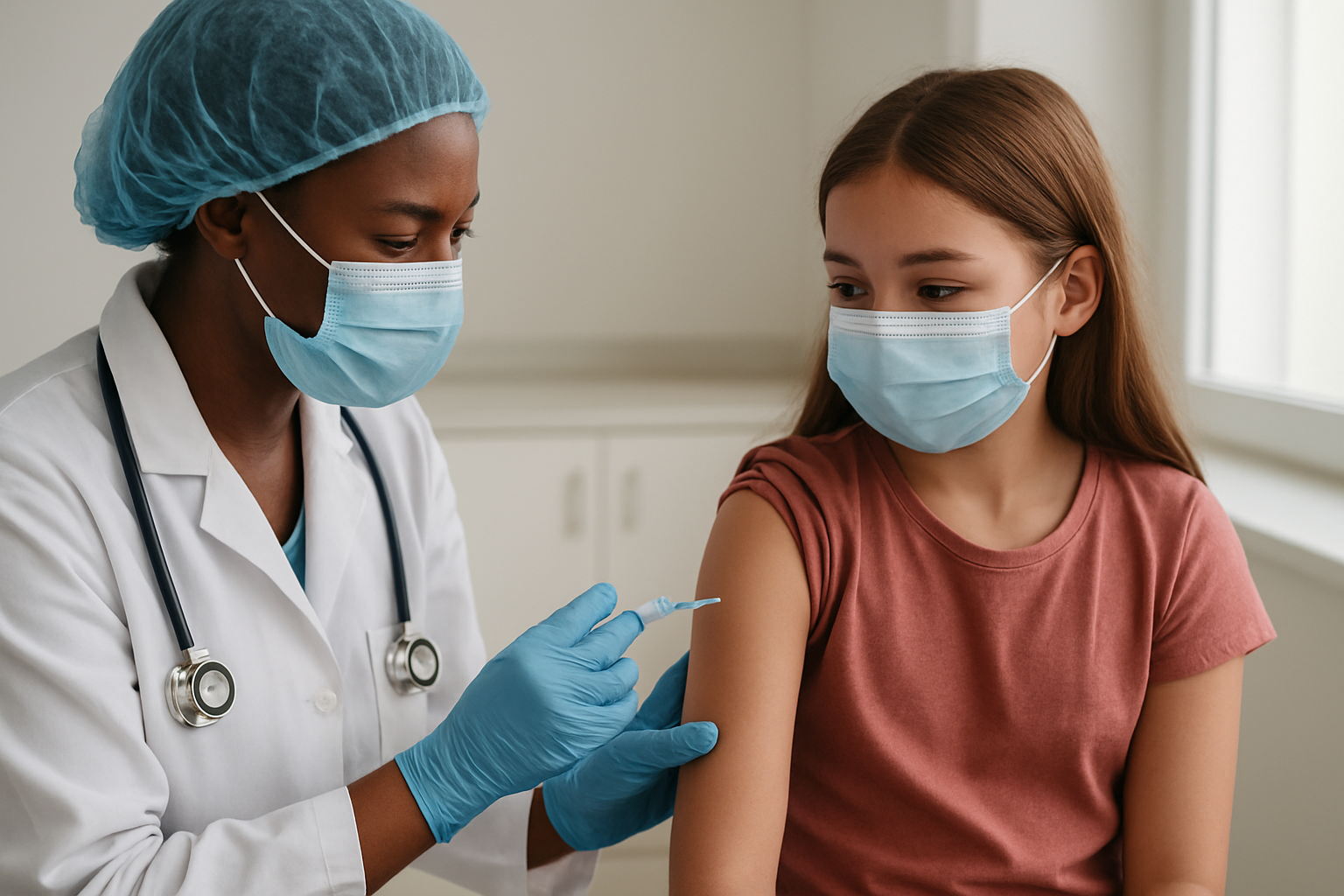
A focused public health effort delivers life-saving protection to young girls
More than 600 girls in Visakhapatnam have been safeguarded against cervical cancer through a targeted vaccination and awareness initiative, marking a significant step in preventive healthcare for adolescent girls in the region.
Why cervical cancer prevention matters
Cervical cancer remains one of the leading causes of cancer-related deaths among women in India. Despite being largely preventable, lack of awareness, delayed screening, and limited access to vaccines continue to pose challenges.
Medical experts stress that early vaccination, ideally before exposure to the human papillomavirus (HPV), offers strong long-term protection. Public health programmes focusing on school-age girls are increasingly seen as the most effective strategy to curb future cases.
How the Visakhapatnam initiative worked
The recent drive in Visakhapatnam focused on identifying eligible adolescent girls and ensuring timely vaccination through coordinated efforts involving healthcare workers, schools, and local authorities.
Key highlights of the initiative include:
- Vaccination of over 600 girls against HPV
- Active involvement of government health departments
- Awareness sessions for parents and guardians
- Emphasis on early prevention rather than late treatment
Health officials involved in the programme described it as a carefully planned effort to reach families who may otherwise hesitate due to misinformation or lack of access.
Doctors highlight long-term benefits
Medical professionals associated with the programme explained that HPV vaccination can reduce cervical cancer risk by a significant margin when administered at the right age. They also highlighted that the vaccine has been globally tested and proven safe.
Experts added that community level engagement plays a crucial role in addressing vaccine hesitancy. Clear communication with parents helped build trust and ensured higher participation in the Visakhapatnam drive.
A model for preventive healthcare in India
This initiative is not just about numbers it represents a shift toward preventive healthcare rather than reactive treatment. Cervical cancer often develops silently over years, making early prevention critical.
Protecting girls at a young age can:
- Reduce future cancer burden on families
- Lower long-term healthcare costs
- Improve women’s health outcomes nationwide
- Strengthen public trust in vaccination programmes
The Visakhapatnam effort offers a replicable model for other cities and states.
Expanding awareness and coverage
Health authorities are now looking at expanding similar programmes to cover more schools and communities. Continued education campaigns, follow-up doses where required, and routine screening awareness for older women are expected to be the next steps.
Experts believe that consistent government backing and community participation can help India move closer to eliminating cervical cancer as a public health threat.
Small steps today, safer futures tomorrow
By protecting more than 600 girls through timely vaccination, Visakhapatnam has taken a meaningful step toward a healthier future. The initiative underlines a powerful truth when prevention comes first, lives are saved long before disease strikes.