Inflation takes a sharp dip, opening the rate cut conversation
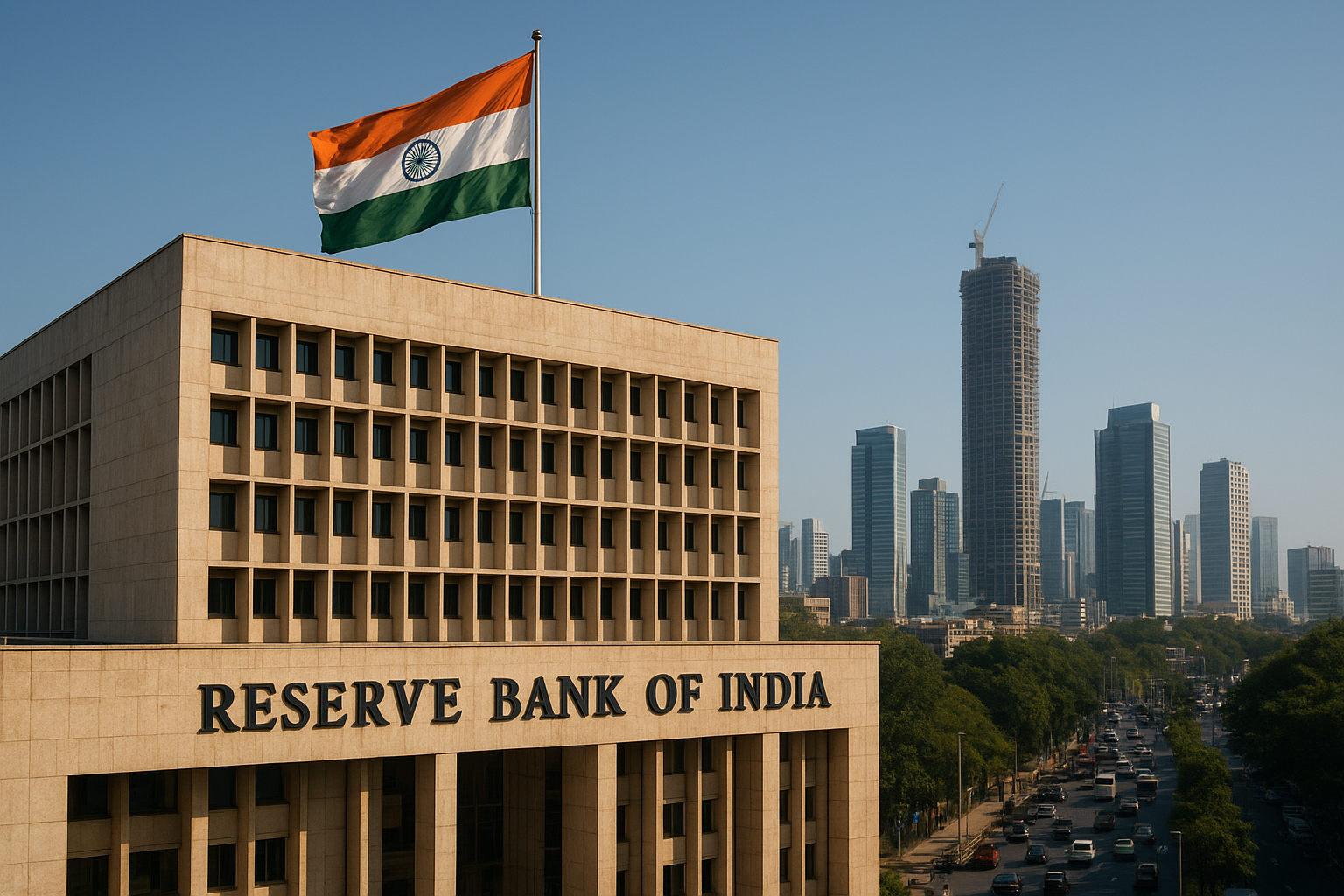
India’s retail inflation plunged to a historic low of 0.25% in October 2025, triggering fresh hopes that the Reserve Bank of India (RBI) could reduce its key lending rate (repo rate) in the December policy meeting.
The balancing act: Growth vs. financial stability
For the RBI, there’s a tightrope to walk. On one hand, low inflation gives room to ease. On the other, it must weigh the risks of fuelled credit growth and uneven rate transmission in the banking system.
Key developments and data points
- Retail inflation dropped sharply due to easing food prices, favorable base effects, and GST rate cuts.
- Core inflation (excluding food and fuel) remains relatively sticky at 4.4%, driven in part by rising gold prices.
- Economists are now projecting FY26 inflation to average around 2%, significantly below RBI’s earlier forecast of 2.6%.
- Markets are betting on at least a 25-basis point cut in the next Monetary Policy Committee (MPC) meeting, expected in early December or early 2026.
- Bond yields have softened, reflecting high expectations of easing; benchmark 10-year yield has dropped.
Expert perspective: Cautious optimism from economists
Economists are divided. Madhavi Arora of Emkay Global sees strong justification for a December cut, citing undershooting inflation.
On the flip side, Indranil Pan, chief economist at Yes Bank, warns that further cuts may pressure banks and hurt savers:
“Credit growth is outpacing deposit growth, and lowering the repo rate could squeeze savings while not boosting lending proportionally.”
Hitesh Suvarna from JM Financial offers a balanced view expecting easing but suggesting the RBI may prefer a dovish tone rather than an aggressive cut.
Why this matters
- For borrowers: A rate cut could ease lending costs and boost home-loan, car-loan, or business borrowing.
- For savers: While borrowing may get easier, deposit rates could compress, affecting fixed-income investors.
- For markets: Lower rates could fuel risk-taking, benefiting equities but also raising credit risk.
- For the economy: Easing now can support growth, especially if inflation remains subdued over the next few quarters.
What’s Next: What to Watch for
- The MPC meeting scheduled from 3–5 December 2025 will be closely watched for signals of a rate cut.
- RBI may emphasize gradual easing cutting rates cautiously while retaining flexibility to pause if risks re-emerge.
- If the cut happens, transmission to banks and borrowers will be key; investors will closely monitor lending rate movements.
- Inflation prints between now and December will be crucial if deflationary pressures persist or core inflation stays high, the RBI’s decision will be harder.
Conclusion: Room to Cut, but Eyes Wide Open
With retail inflation at a record low, the case for a repo rate cut by RBI seems strong. Yet, the central bank’s next move is not guaranteed it must balance support for growth with financial stability. A cautious, data-driven easing could open a new chapter in India’s monetary policy, but the stakes are high.