UN expert raises alarm over Imran Khan’s jail treatment
A United Nations expert has issued a stark warning to Pakistani authorities about the detention conditions of former prime minister Imran Khan, saying they may amount to inhuman or degrading treatment and could violate international human rights standards. The intervention comes as Pakistan continues to grapple with political unrest centered on Khan’s imprisonment and its broader implications.
Imran Khan’s detention and Pakistan’s political tensions
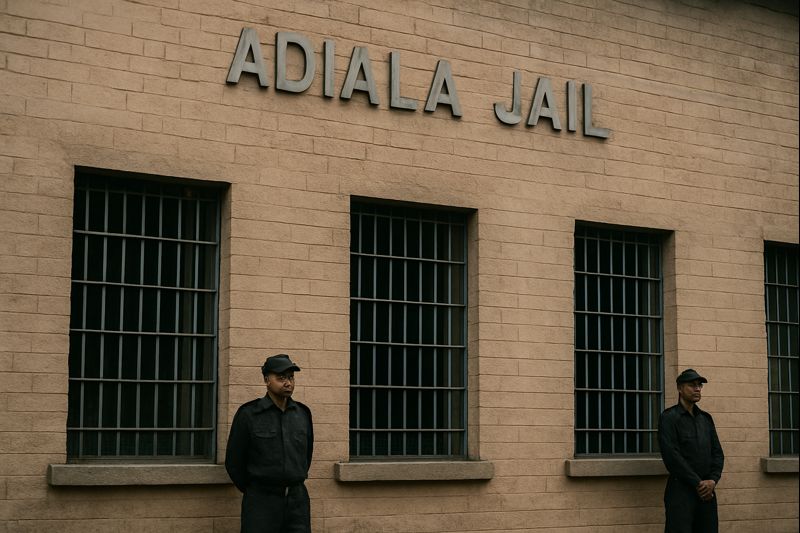
Imran Khan, the founder of the Pakistan Tehreek-i-Insaf (PTI) party and a former cricket star-turned-politician, has been held in Adiala Jail, Rawalpindi, since September 26, 2023, after being convicted in multiple legal cases. His supporters have long maintained that many of these charges are politically motivated a claim the government denies. Khan’s detention has become one of the most polarizing issues in Pakistan’s turbulent political landscape.
What the UN expert report reveals
The UN’s Special Rapporteur on torture and other cruel, inhuman or degrading treatment, Alice Jill Edwards, raised serious concerns about Khan’s jail conditions and treatment. Key issues highlighted in her statement include:
- Prolonged solitary confinement: Reports suggest Khan is confined up to 23 hours per day in a small cell under constant camera surveillance, far exceeding internationally accepted limits.
- Lack of basic rights: He is allegedly denied regular outdoor exercise, meaningful interaction with other inmates, and full access to family or lawyers even when court-authorized.
- Poor living conditions: The cell reportedly lacks adequate ventilation, natural light, and protection from extreme temperatures, leading to nausea, weight loss and discomfort.
- Health concerns: At 73 years old and with a history of serious health issues including a spinal injury and wounds from a previous assassination attempt the expert stressed that his age and medical needs require humane treatment.
In her statement, Edwards said prolonged or indefinite solitary confinement can constitute psychological torture under international law when it exceeds 15 days, urging Pakistan to lift such restrictions immediately.
International standards and human rights
Special rapporteurs such as Edwards are independent human rights experts appointed by the UN Human Rights Council, and their findings carry significant moral and legal weight even if they aren’t official UN positions.
Human rights advocates point out that any person deprived of liberty must be treated with dignity, respect and according to international norms, regardless of the accusations or political context. They say the focus should be on ensuring transparent monitoring, proper medical access, and unimpeded contact with legal counsel.
Why this warning matters
The UN warning is significant for several reasons:
- Human rights scrutiny: It places Pakistan’s prison conditions under international observation, potentially influencing diplomatic and human rights reviews.
- Political implications: Khan remains a widely popular and polarizing figure within Pakistan and his treatment has fueled protests and calls for judicial fairness.
- Legal and health concerns: Proper detention standards are essential not just for fairness, but also for the physical and mental well-being of detainees especially older or medically vulnerable individuals.
Khan’s supporters argue that restrictions on visits and movement violate both domestic prison rules and international human rights norms. Meanwhile, government spokespeople have pushed back against claims of mistreatment, saying Khan is treated according to prison protocols.
Monitoring, reaction and global attention
Following the UN expert’s warning, several developments could unfold:
- Pakistan may be urged to allow independent monitoring of prison conditions and compliance with human rights treaties it has ratified.
- International advocacy groups could step up pressure on Islamabad to address solitary confinement and access issues.
- Domestic political tension may escalate if Khan’s party and supporters mobilize around concerns about his treatment.
Human rights organisations have already signalled they will continue tracking developments and urging Pakistan to implement meaningful changes to uphold international standards of humane detention.
Balancing law, rights and political stability
The UN expert’s warning highlights the complex intersection of human rights, legal standards and political dynamics in Pakistan. While the government maintains that it is following legal protocols, concerns about possible inhumane detention conditions have drawn global attention. Ensuring dignity and transparent, humane treatment for all detainees including high-profile political figures remains a cornerstone of international human rights law and a vital factor in fostering domestic and international trust.